

After the serene landscapes of Hakone, stepping into Osaka is like flipping a switch. Osaka feels like Japan turned up in color, volume, and appetite. This part of our Japan fi-tinerary includes unforgettable day trips to Himeji Castle and Hiroshima, blending neon-lit streets, historic castles, emotional memorials, and island serenity—all connected effortlessly by Japan’s incredible bullet train system.
We first caught sight of Tsutenkaku, one of Osaka’s most iconic landmarks. Towering above the retro streets of Shinsekai, it sets the tone instantly—vibrant, timeworn, and brimming with personality. Even from the outside, it feels unmistakably Osaka: vintage neon glow, bold signage, and a playful energy that promises adventure around every corner.
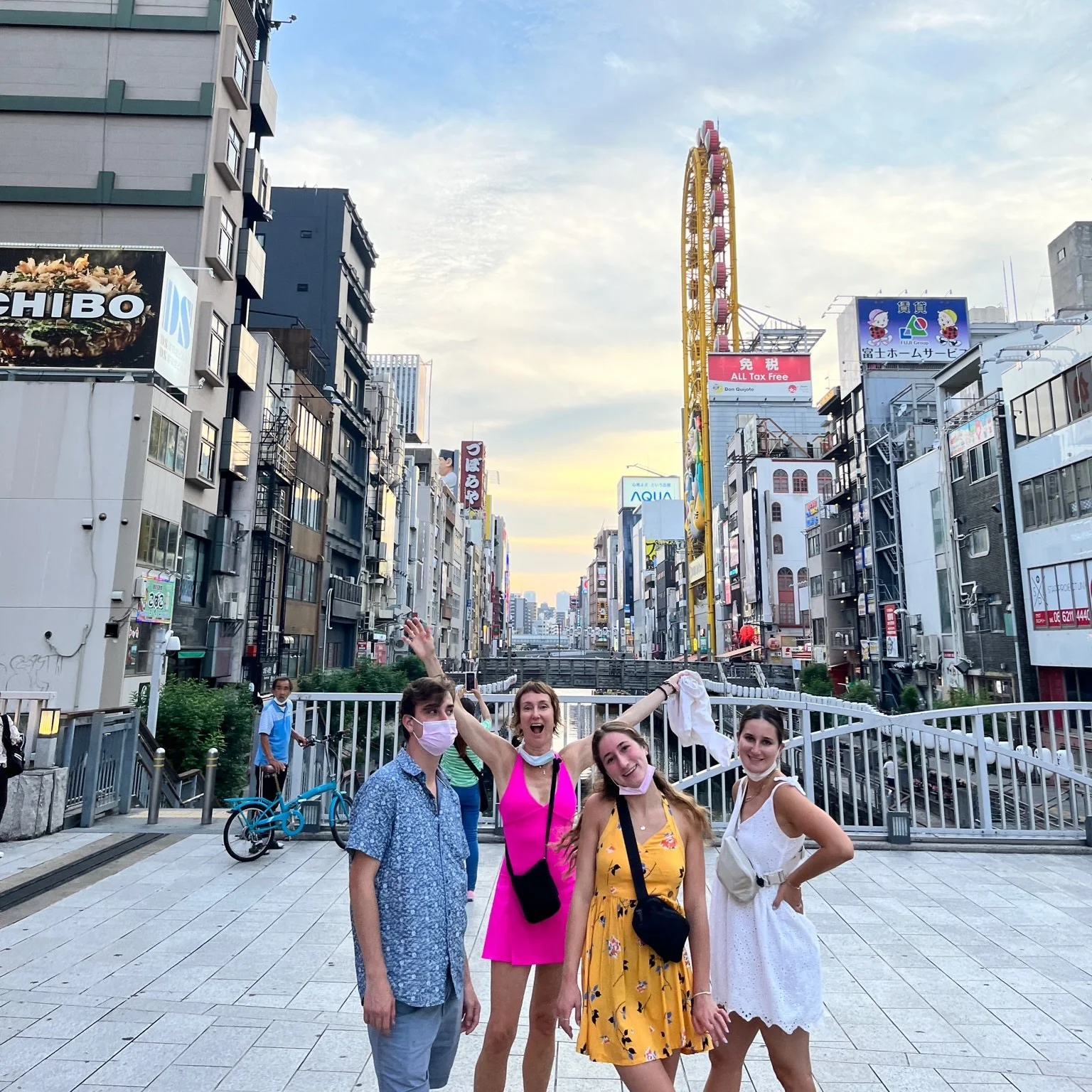
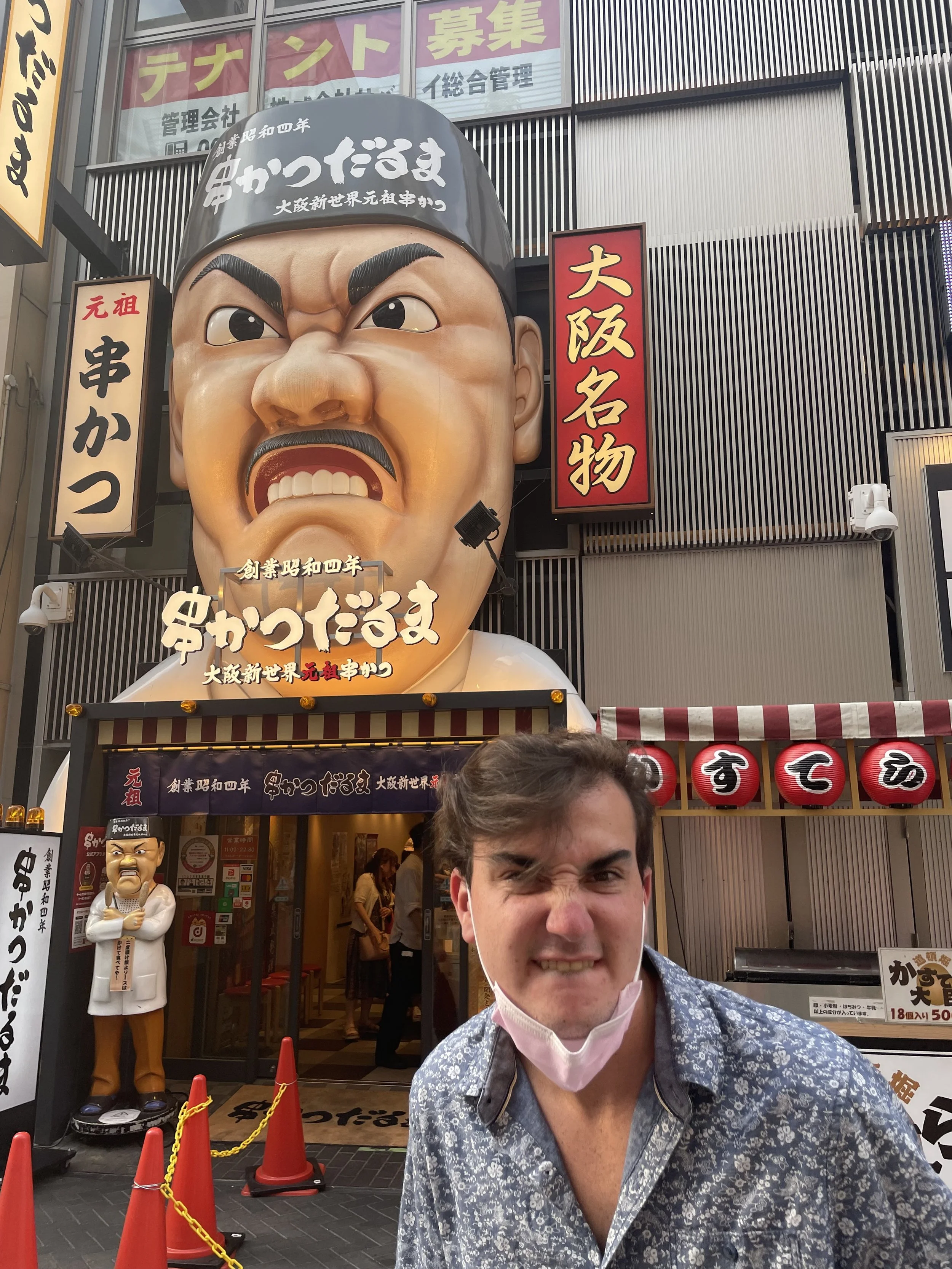
From there, we made our way into Dotonbori and Shinsaibashi, where Osaka truly comes alive. This is where Japan’s street food capital shows off. Giant neon signs reflect off the canal water, crowds spill through narrow lanes, and the famous mechanical crab of Kani Doraku moves above the streets like a living billboard. It’s chaotic, but in a way that feels exciting rather than overwhelming.
Osaka Street Food Highlights:
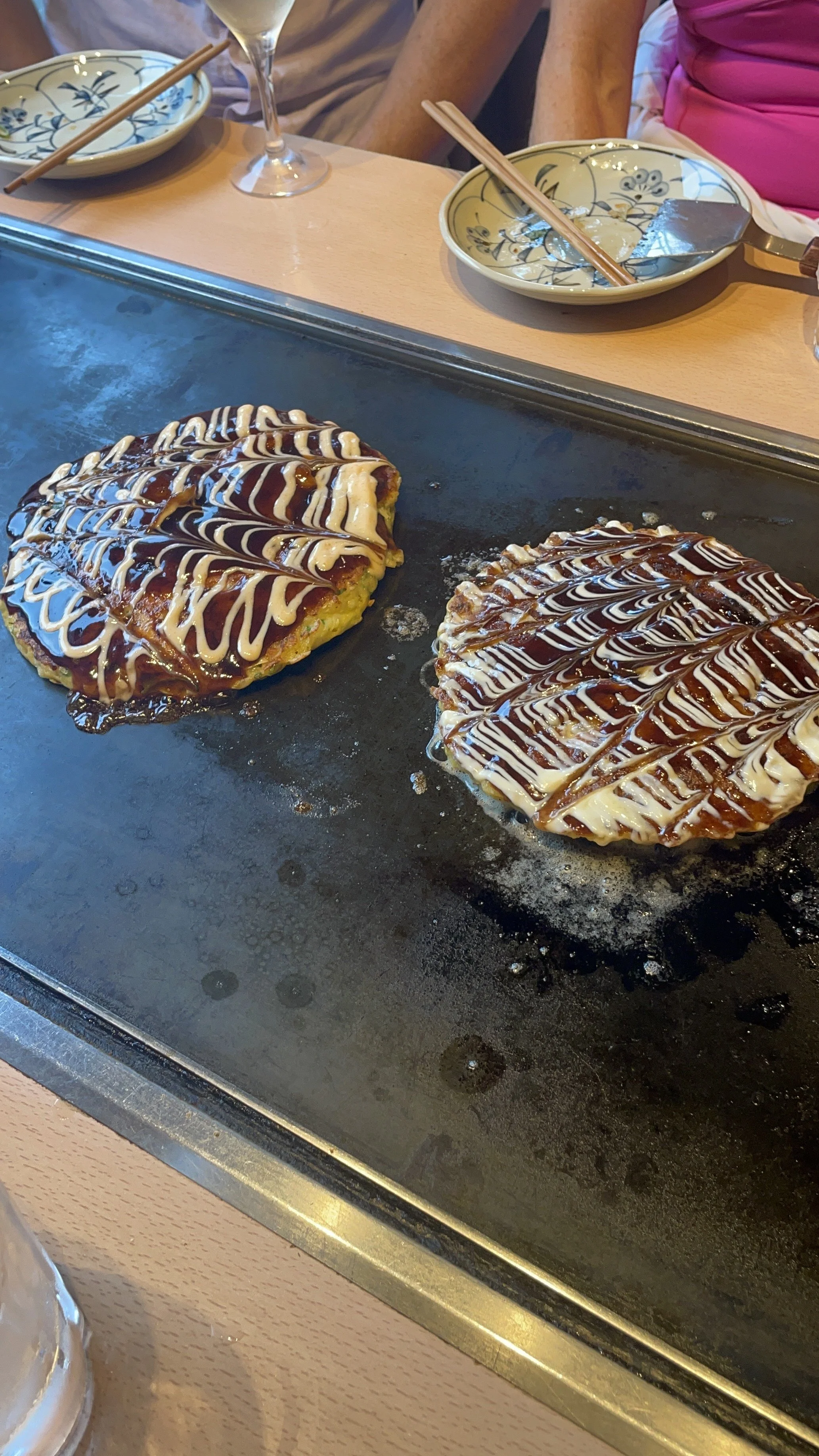
🥞 Okonomiyaki – savory Japanese pancake loaded with cabbage, batter, sauce, and toppings
🐙 Takoyaki – crispy-on-the-outside octopus- filled bites
🍡 Kushikatsu – deep-fried skewers best eaten fresh and dipped (only once!)
🍜 Ramen bowls – rich broths perfect for late-night cravings
💡 Tip: If it’s your first time trying okonomiyaki in Osaka, sit down at a small local restaurant. Watching it cook on a hot plate in front of you makes the experience even better—and the flavors are more layered than street stands.
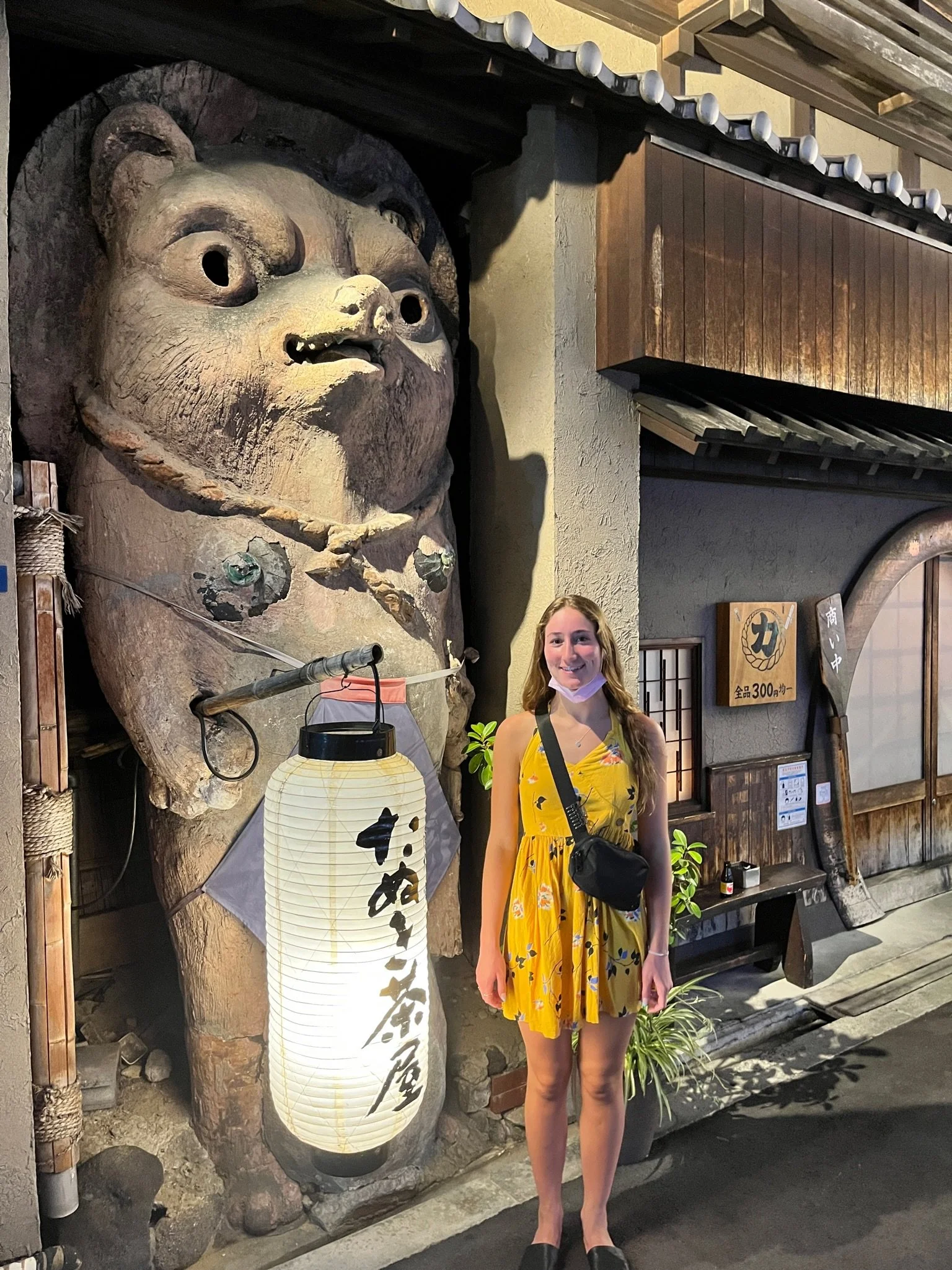
After exploring, we checked into Hotel Vischio Osaka, a comfortable and well-located base within walking distance from the city’s main hubs. Once we had settled in and stepped back outside, the city revealed a completely different side of itself. Osaka at night feels cinematic—canal reflections, glowing signage, and the constant aroma of sizzling street food drifting through the air. It’s a city that never really asks you to slow down… and honestly, you don’t want to.
💡 Tip: Come hungry. Osaka is known as “Japan’s kitchen,” and the food scene is endless.
Day trip to Himeji:
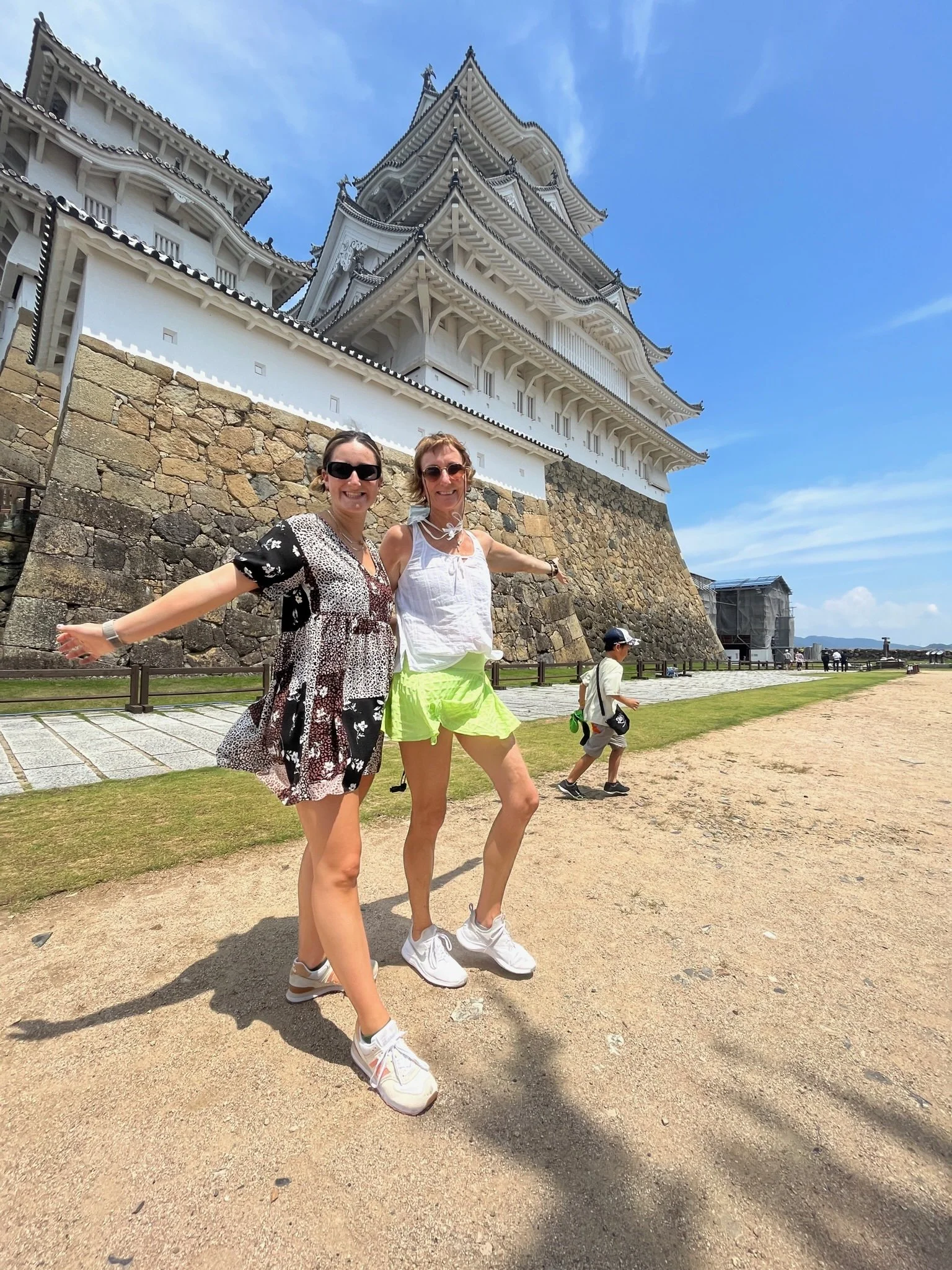
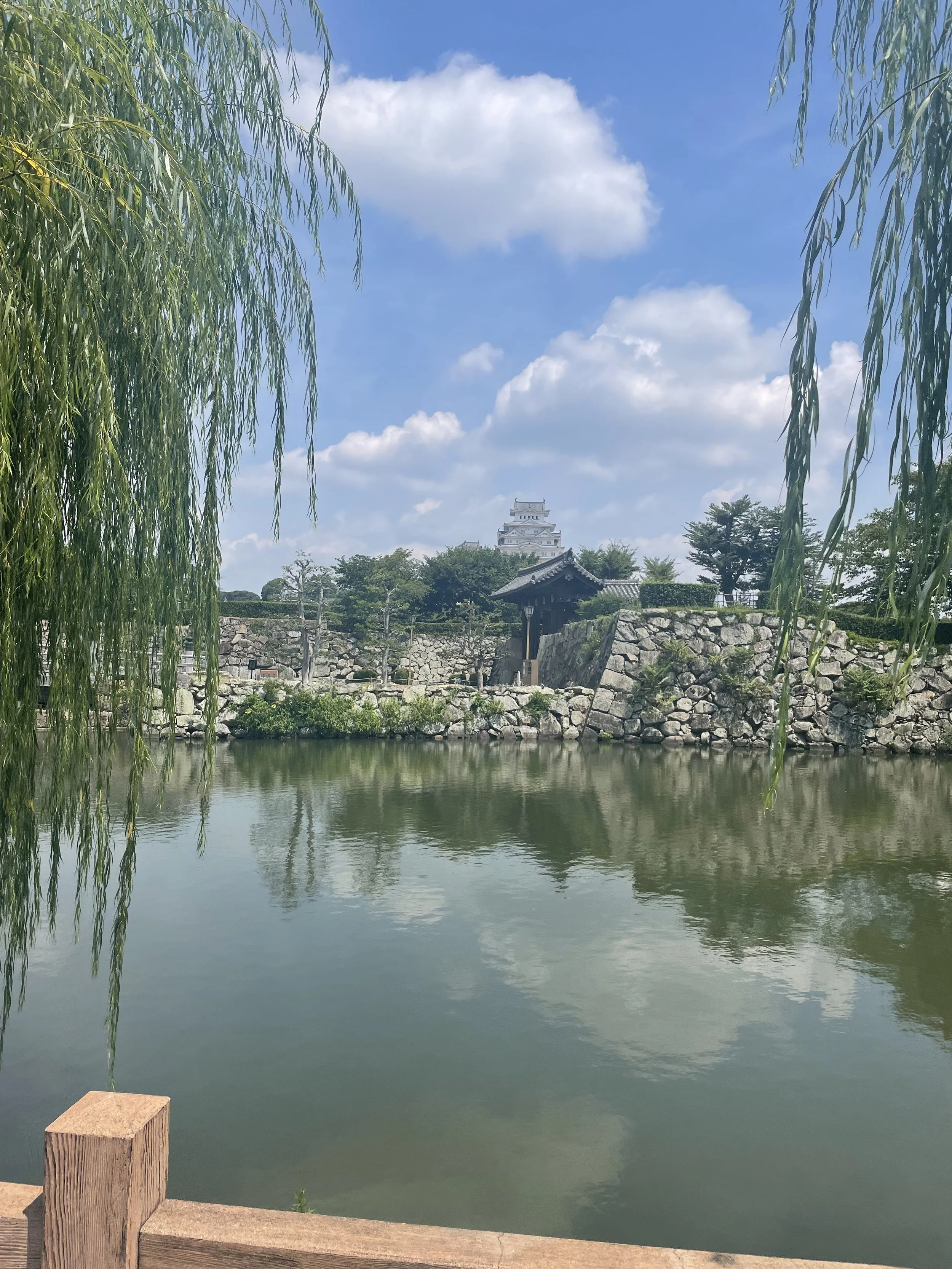
The next morning, we headed out for a Himeji Castle day trip from Osaka, one of the easiest and most rewarding excursions in the Kansai region. A quick train ride brought us to Himeji Station, the gateway to Japan’s most beautifully preserved feudal castle.
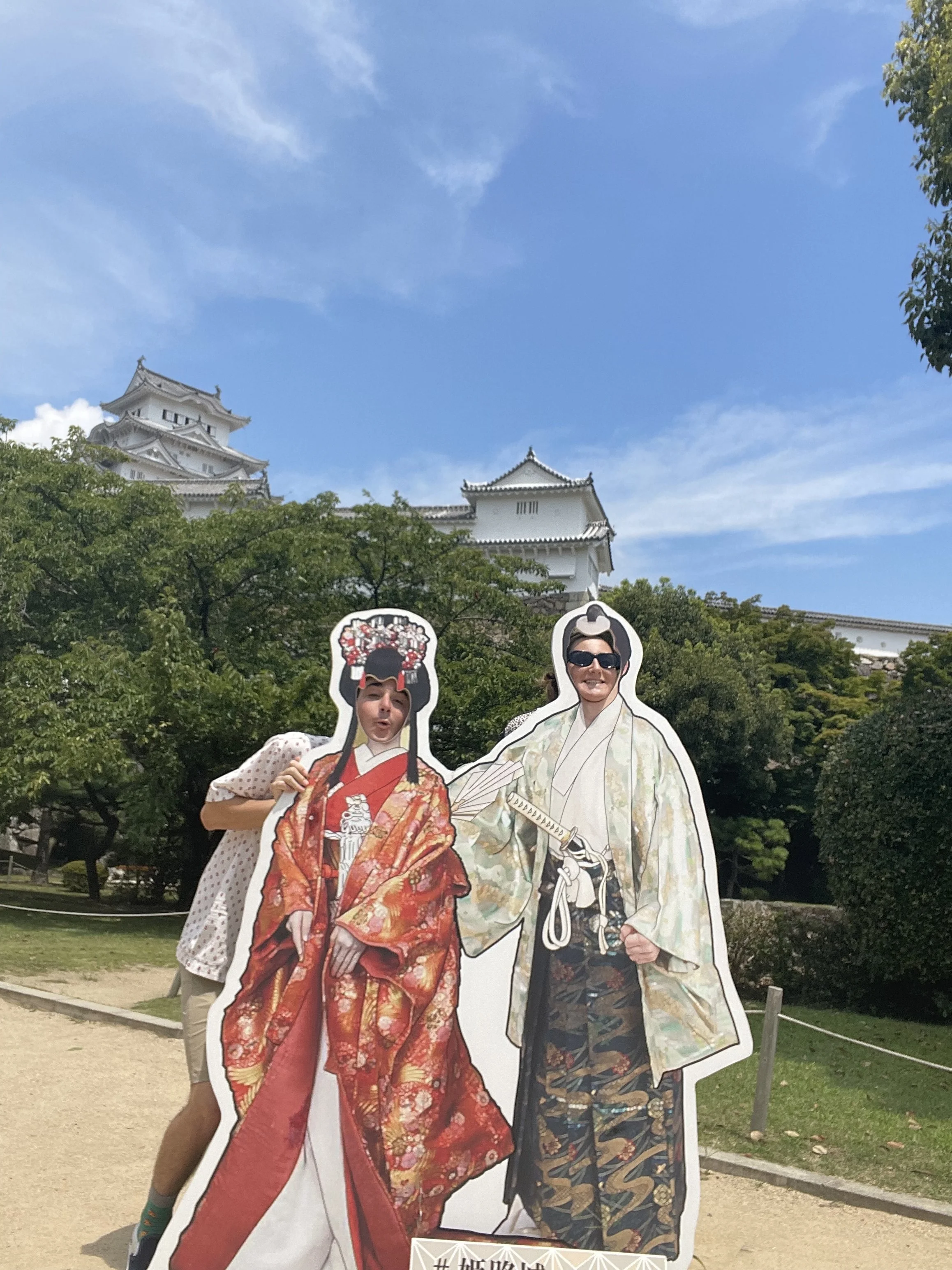
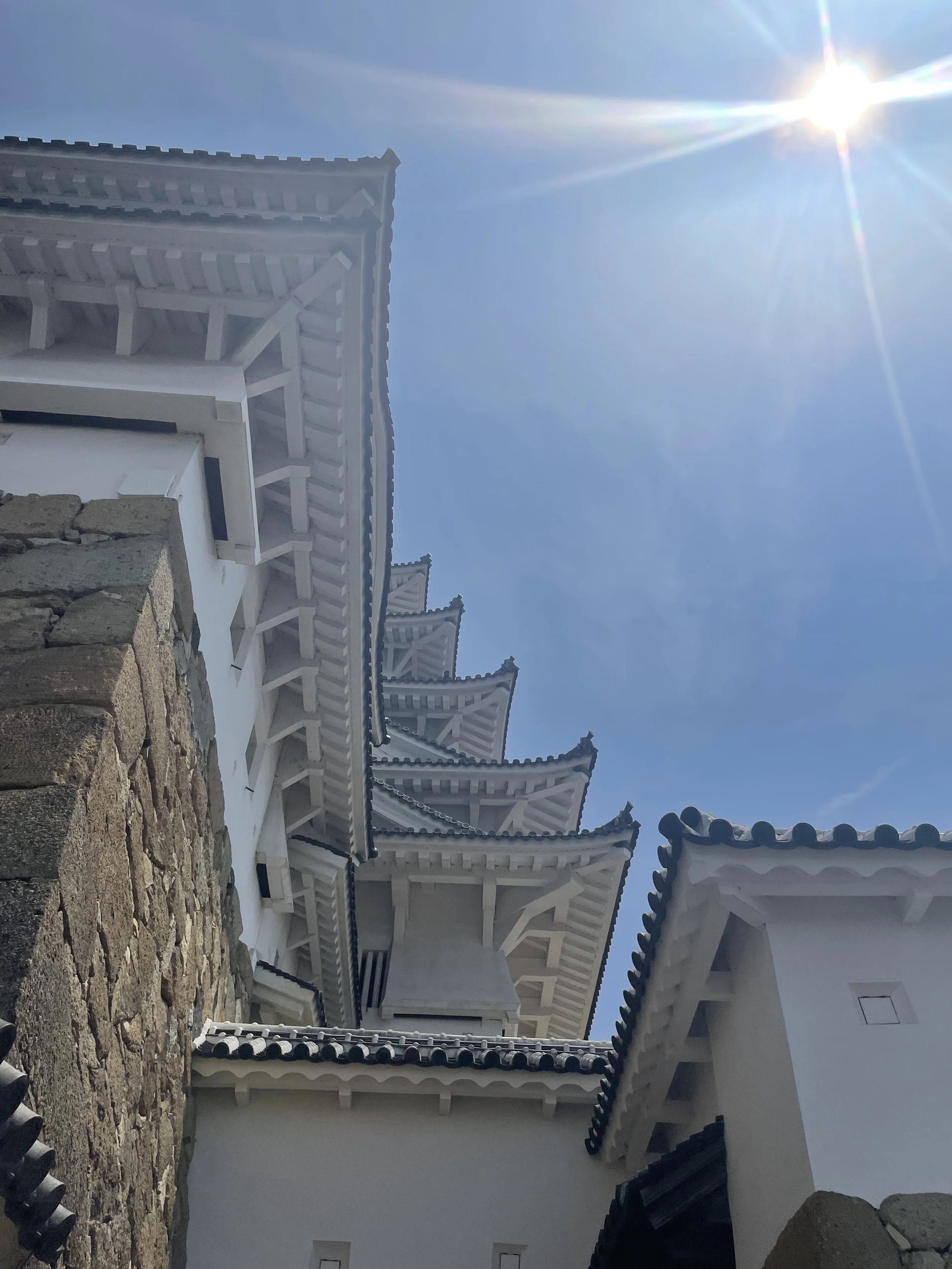
Himeji Castle, often called the “White Heron Castle,” is a UNESCO World Heritage Site and one of Japan’s most iconic landmarks. Its white plaster walls and sweeping rooflines look almost like a bird taking flight. Inside, the castle reveals its true brilliance—wooden corridors, steep staircases, and defensive design details that tell stories of Japan’s samurai era. We spent around two hours exploring the castle grounds and interiors, slowly climbing to the top, where panoramic views of Himeji city stretch into the distance. Every angle feels like a postcard.
For lunch, we wandered along Miyuki Dori, a lively local street filled with small eateries and cafés. This is where Himeji slows down in the best way—less tourist rush, more everyday Japan.
Lunch Highlights on Miyuki Dori:
🍣 Fresh sushi sets featuring local fish
🍜 Comforting bowls of ramen with rich broth
🍡 Traditional wagashi sweets and desserts
☕ Small cafés perfect for a mid-day break
Good catch — the naming was slightly off.
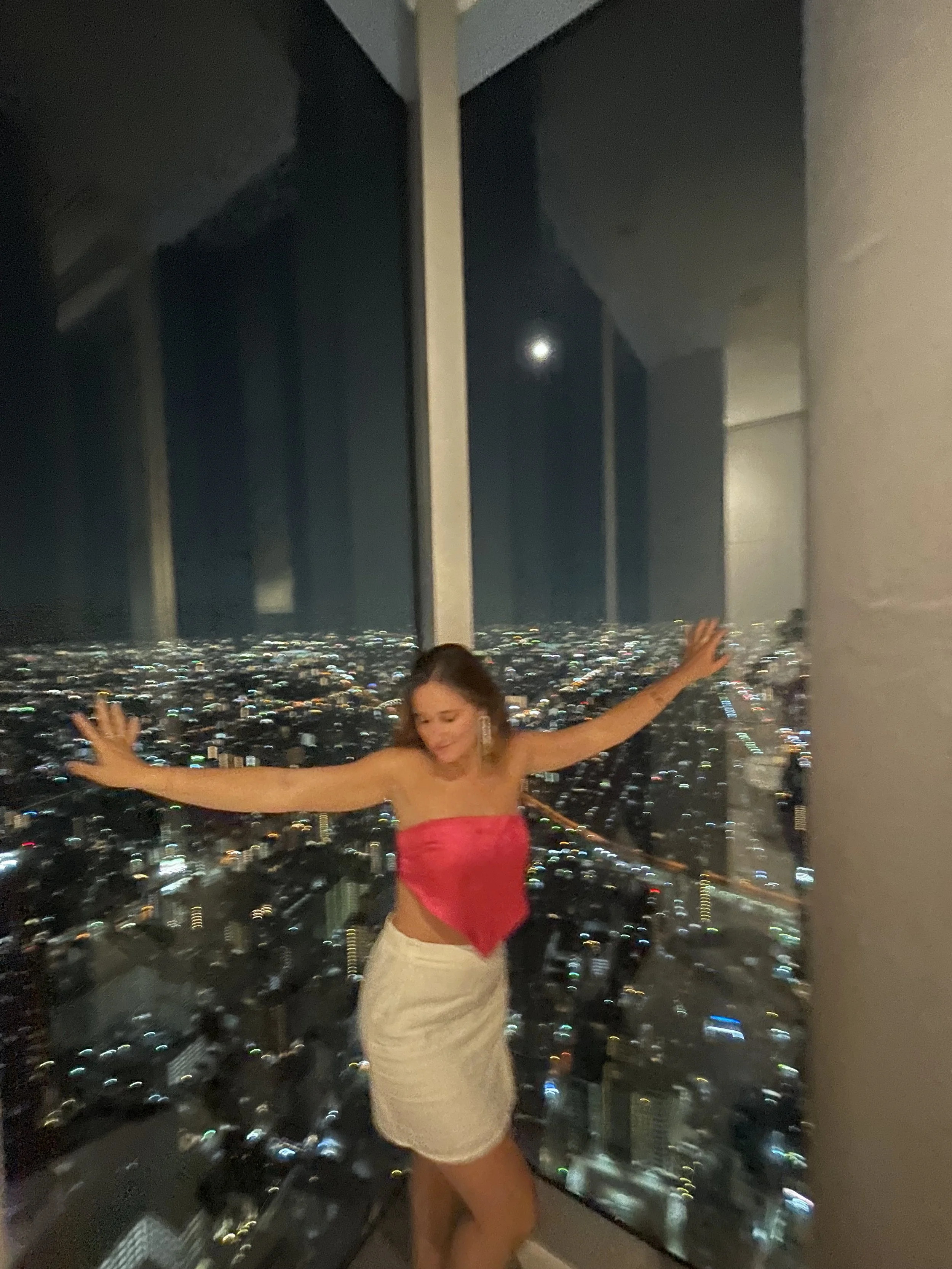
By late afternoon, we returned to Osaka, trading history for the city’s electric modern pulse. Wanting to experience Osaka from a completely different perspective, we headed to Harukas 300, the observation deck atop Abeno Harukas—Japan’s second-tallest skyscraper—where dinner came paired with sweeping skyline views and the city lights beginning to glow below.
Day trip to Hiroshima
The following day brought one of the most meaningful experiences of our Japan fi-tinerary: a Hiroshima day trip from Osaka. Few places blend history, reflection, resilience, and beauty quite like this city.
We boarded an early Shinkansen from Osaka, watching the skyline gradually give way to countryside scenery before arriving in a city that carries its past with quiet strength and remarkable dignity.
From Hiroshima Station, we made our way to the Hiroshima Peace Memorial Museum, where the events of August 6, 1945, are documented with care and profound respect. Through personal belongings, photographs, historical exhibits, and survivor testimonies, the museum creates an experience that feels both deeply human and profoundly grounding.
Walking through the exhibits is emotional. It is not simply a history lesson but a reminder of loss, resilience, and the enduring importance of remembrance.
Stepping outside, Peace Memorial Park unfolds as a calm and contemplative space where flowing water, shaded walkways, and memorials invite quiet reflection. The atmosphere feels strikingly different from the city beyond its borders—peaceful, deliberate, and deeply moving.
At the heart of the park stand several landmarks connected to the atomic bombing.
The most recognizable is the Atomic Bomb Dome (Genbaku Dome), the preserved ruins of the former Hiroshima Prefectural Industrial Promotion Hall. Partially standing after the blast, it has become Hiroshima’s enduring symbol of peace and nuclear disarmament. Seeing it in person feels surreal—fragile yet resilient against the modern skyline that now surrounds it.
A short walk away lies a quieter site that many visitors overlook: the Atomic Bomb Hypocenter Monument, marking the point almost directly beneath where the bomb detonated, roughly 600 meters above the city. Unlike the Dome, this memorial is modest and understated, tucked near a hospital beyond the park’s main pathways.
Standing there carries a different weight.
This is the place where you can truly say you stood near ground zero—the point beneath one of history’s most devastating moments. Without crowds or grand architecture, the simplicity of the memorial somehow makes the experience even more powerful.
By late afternoon, we boarded the Shinkansen back to Osaka, carrying the emotions of the day with us.
To close the evening, we leaned into something entirely different: karaoke.
Private rooms, loud laughter, and a playlist filled with questionable song choices provided an unexpectedly perfect contrast to the heaviness of our visit to Hiroshima. After a day centered on reflection, the simple joy of singing badly with family felt oddly therapeutic—and unmistakably Japanese.
💡 Tip: Karaoke in Japan is usually enjoyed in private rooms, known as karaoke boxes. They are ideal for groups, families, or first-timers looking for a relaxed and judgment-free experience.
This stretch of the journey captures the full spectrum of travel in Japan. From Osaka’s neon food streets to Himeji’s samurai-era history and Hiroshima’s powerful memorials, you begin to understand just how layered the country truly is. Each destination reveals a different rhythm—fast, slow, reflective, and joyful.
If you’re continuing your Japan journey, don’t stop here:
🏙️ Tokyo fi-tinerary – neon skylines, historic temples, world-class food, and nonstop city energy
🌿 Hakone fi-tinerary – hot springs, mountain scenery, and unforgettable views of Mt. Fuji
⛩️ Kyoto fi-tinerary – bamboo forests, ancient shrines, and timeless cultural traditions
Osaka may win you over with its food, nightlife, and playful personality, but it is only one chapter of Japan’s story. Together, Tokyo, Hakone, Osaka, and Kyoto create the ultimate Japan fi-tinerary—where futuristic cities, peaceful landscapes, and centuries-old traditions come together in one unforgettable adventure.
