

Tokyo, Japan
For first-time visitors, Tokyo travel can feel overwhelming—but that’s precisely its charm! Every neighborhood has its own personality: centuries-old temples tucked between gleaming skyscrapers, neon lights reflecting on calm rivers, and the scent of sizzling street food mingling with the crisp city air. Over the next three days, you’ll move seamlessly from mind-bending digital art to historic shrines, from bustling markets to serene gardens, all while tasting some of the freshest Japanese cuisine imaginable.
This fi-tinerary is your ultimate Tokyo sightseeing guide, showing you how to balance sensory overload with calm moments, uncover hidden gems alongside iconic landmarks, and eat your way through some of the city’s best food districts.
Day 1
🚗 Transfer time: ~60–75 mins from Narita Airport to central Tokyo
Landing in Tokyo is like stepping into a world that is both impossibly futuristic and deeply rooted in tradition. The city hums with a rhythm that’s efficient, fascinating, and just a touch surreal. From the moment you touch down at Narita International Airport, you realize Tokyo isn’t just a city you visit—it’s a city you experience.
We stayed at Karakusa Hotel Tokyo, a compact, modern gem perfectly located for a first night in the city. After the long journey, we kept things intentionally low-key—taking the evening to settle in, stretch our legs, and ease into Tokyo’s rhythm rather than rushing straight into sightseeing. Mostly, we just wanted one thing: ramen. We wandered into a local spot and, slightly jet-lagged but very excited, figured out the vending machine ordering system—punching in our choices, handing over the ticket, and ending up with one of those unexpectedly perfect first meals. The hotel’s sleek design and convenient access to transit made it an ideal base, giving us a soft landing before diving into the city’s sprawling neighborhoods the next day.
Day 2
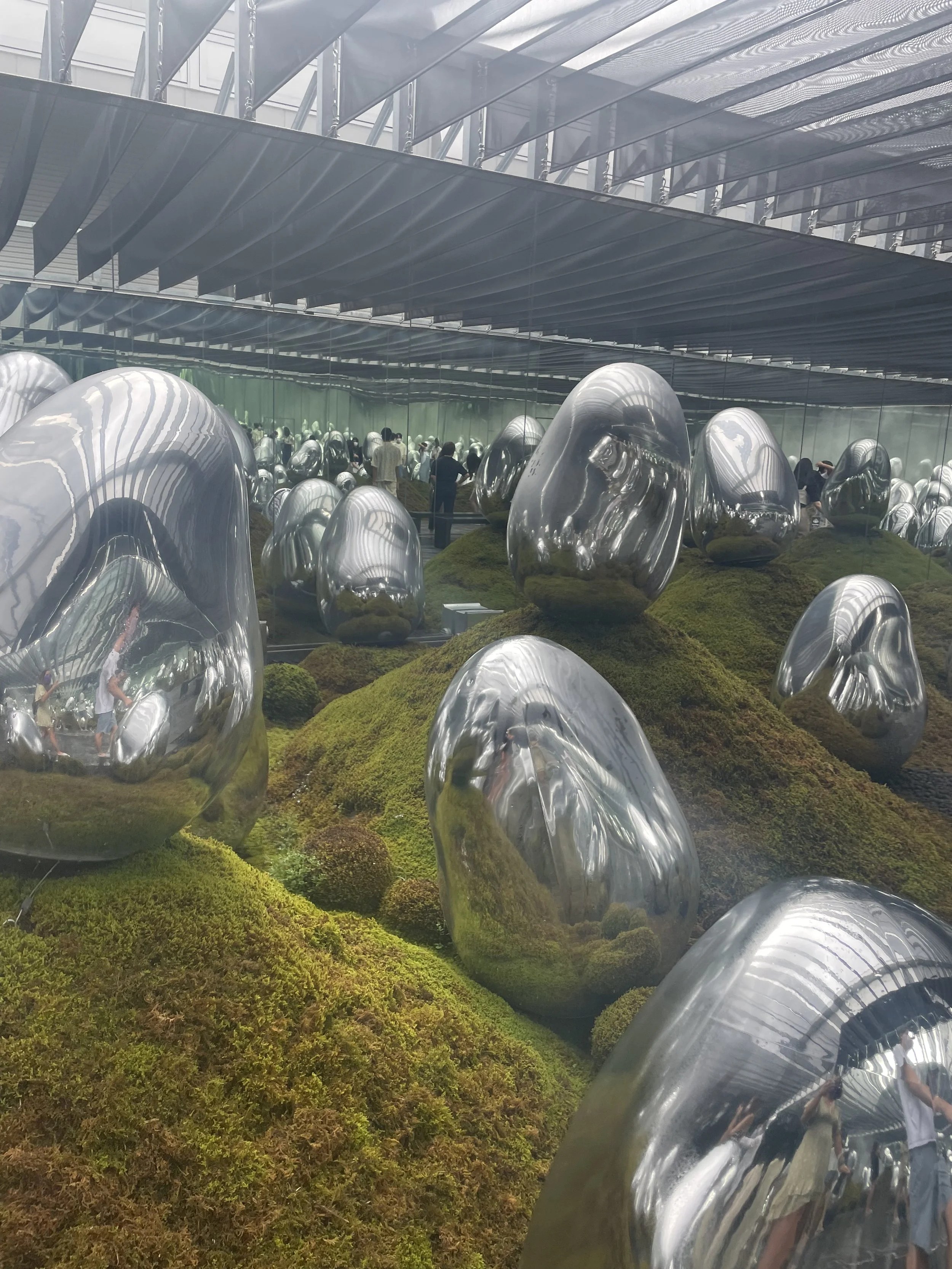
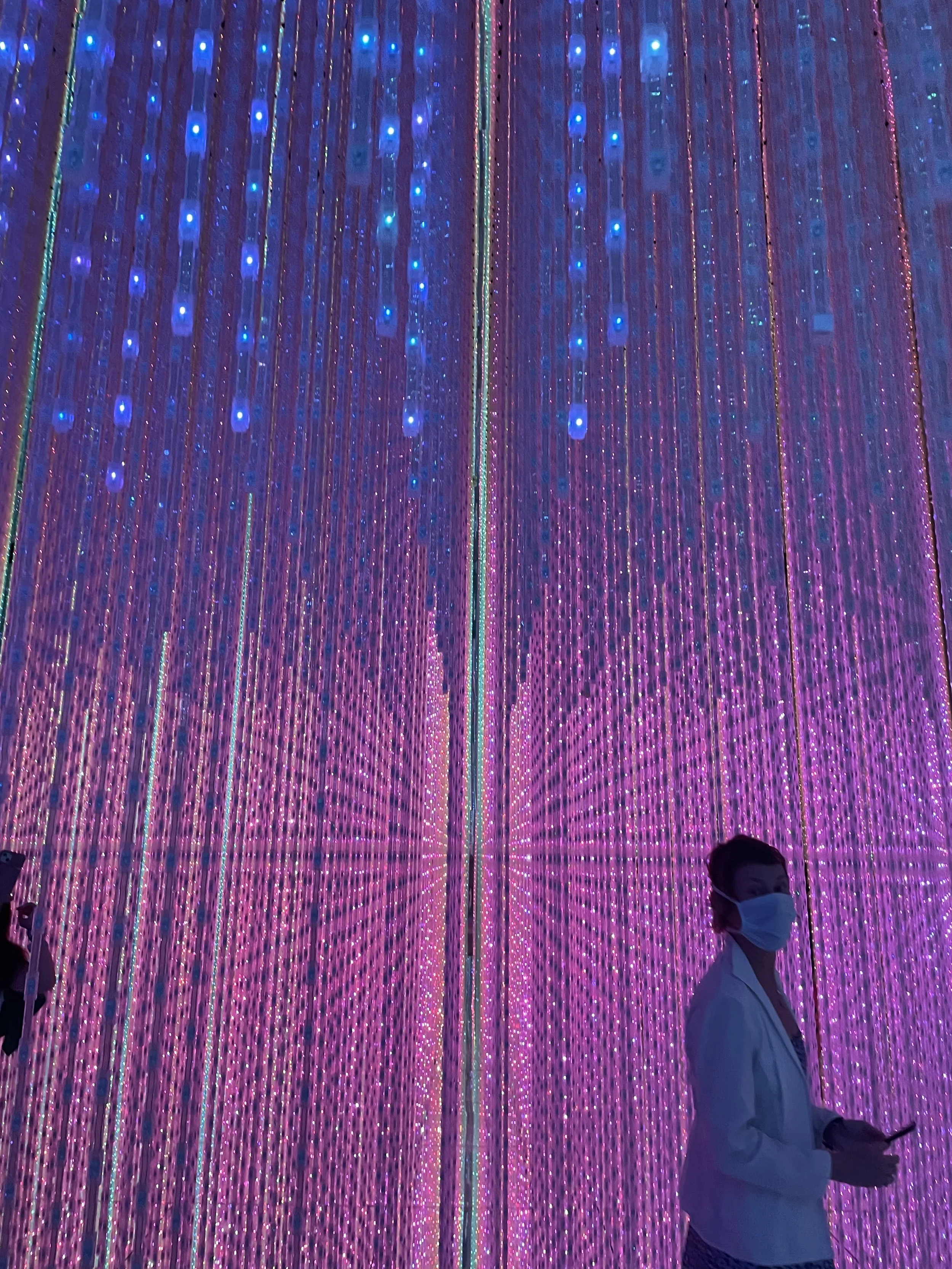
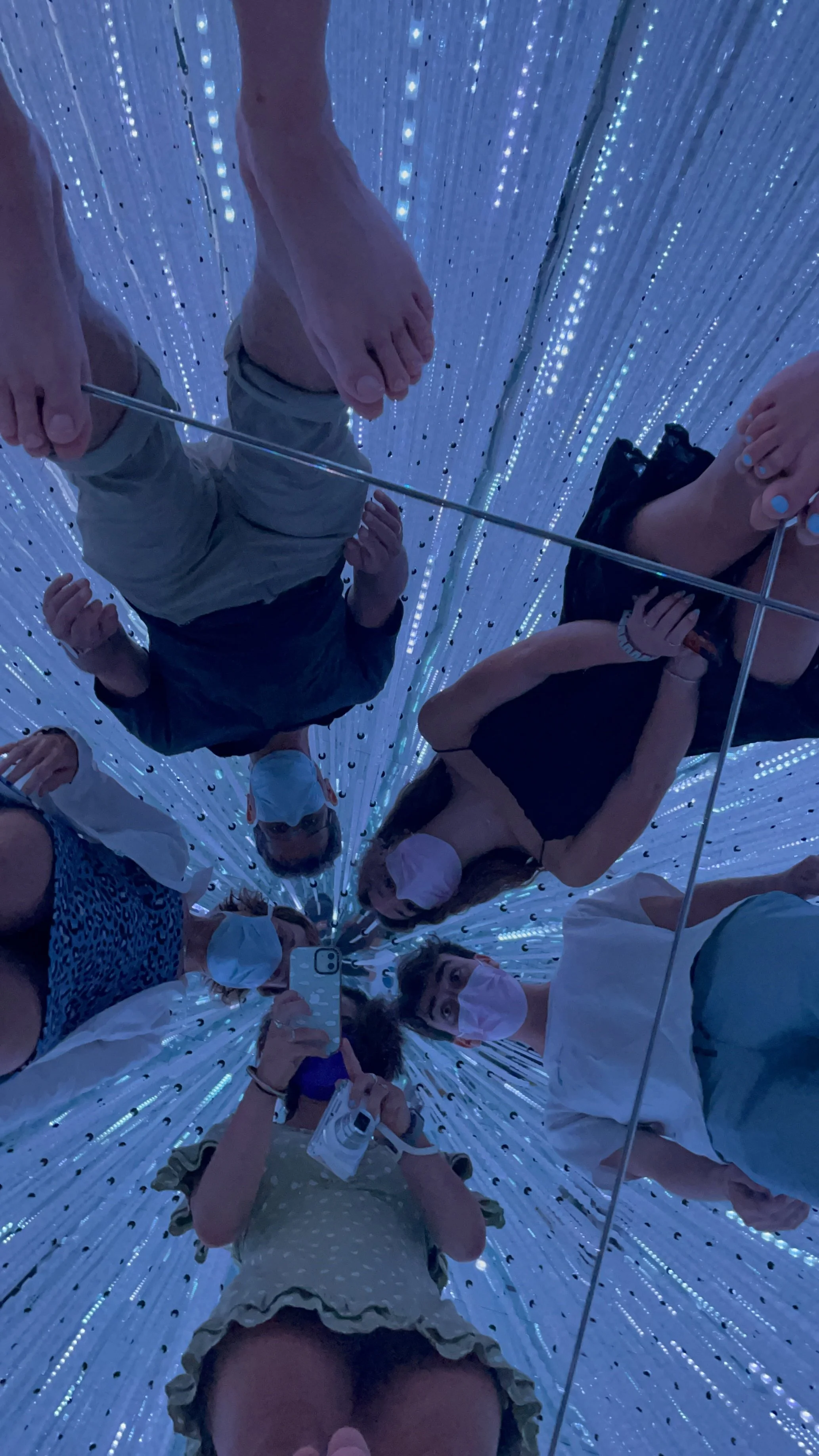
Start your morning at teamLab Planets TOKYO, a digital art museum where you don’t just observe—you move through it. Barefoot, you step into water, mirrored rooms, and interactive light installations that respond to your presence. It’s disorienting in the best way, as the boundary between you and the art dissolves.
💡 Tip: Wear something comfortable and easy to move in—you’ll be walking, standing, and occasionally wading.
From there, the day shifted from visual to culinary at Tsukiji Outer Market, where the energy was immediate and deliciously chaotic.
🍢 Fresh tuna skewers, lightly seared
🧈 Grilled scallops with butter
🍳 Sweet tamagoyaki
🥩 Wagyu skewers that melt instantly
🍓 Strawberry daifuku for something sweet
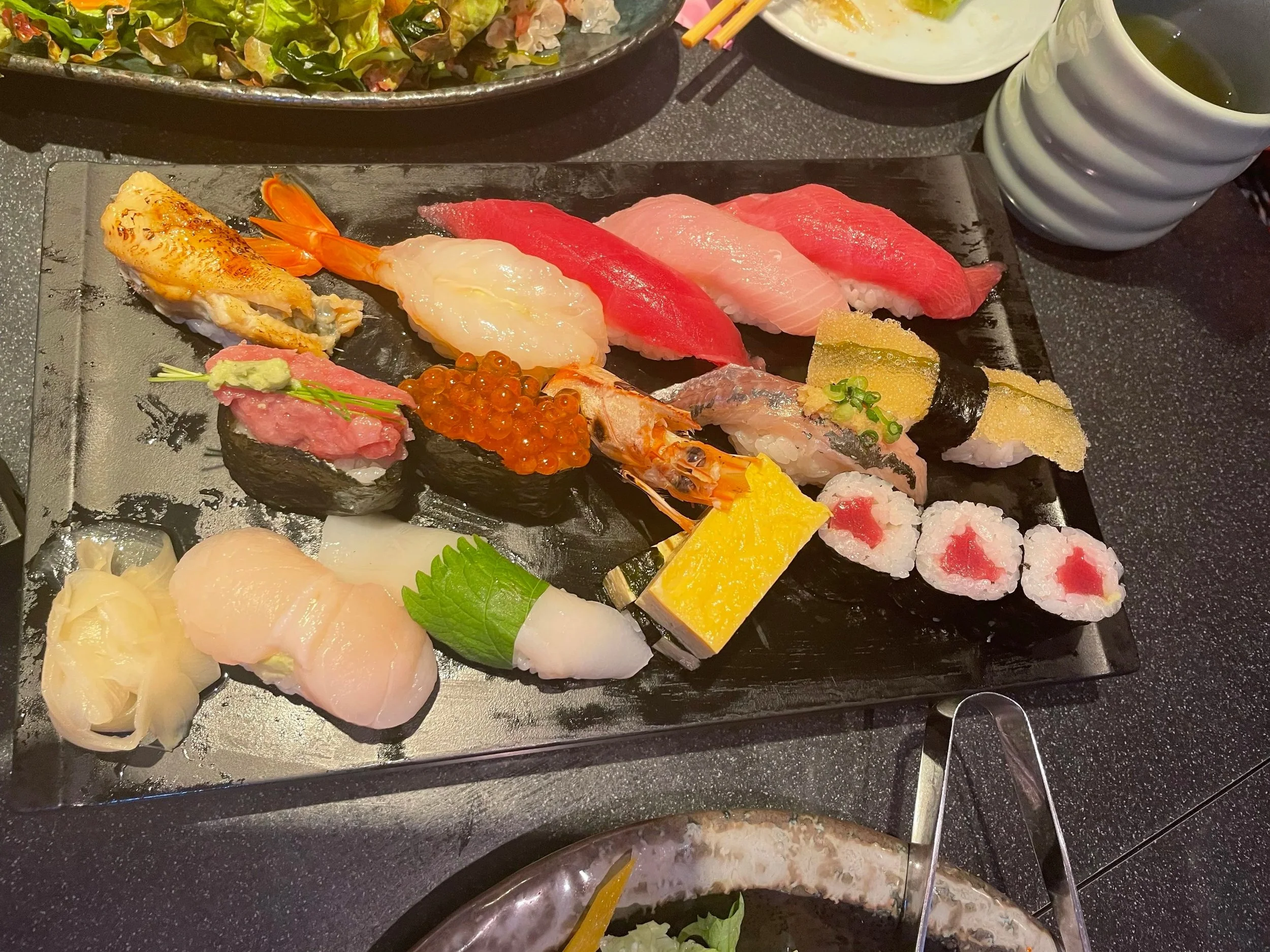
We eventually sat down for a sushi tasting menu, which felt like the perfect pause — simple, incredibly fresh.
Next, step into the timeless elegance of Kabukiza Theatre, where intricate architecture and dramatic flourishes offer a striking contrast to Tokyo’s sleek modern skyline — even the façade feels like part of the performance. Lanterns sway above the entrance while the quiet buzz of theatergoers adds to the sense that something extraordinary is about to unfold.
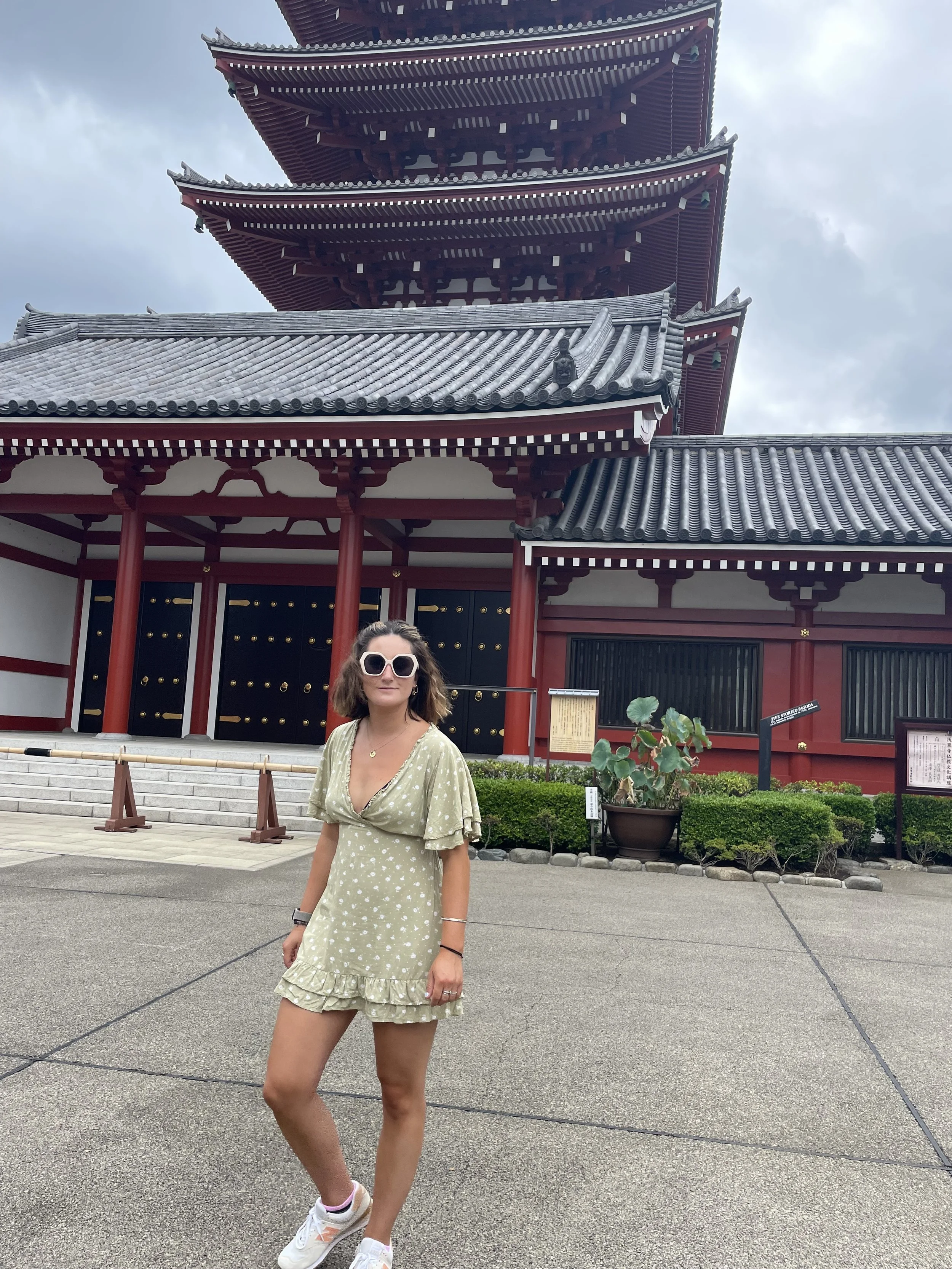
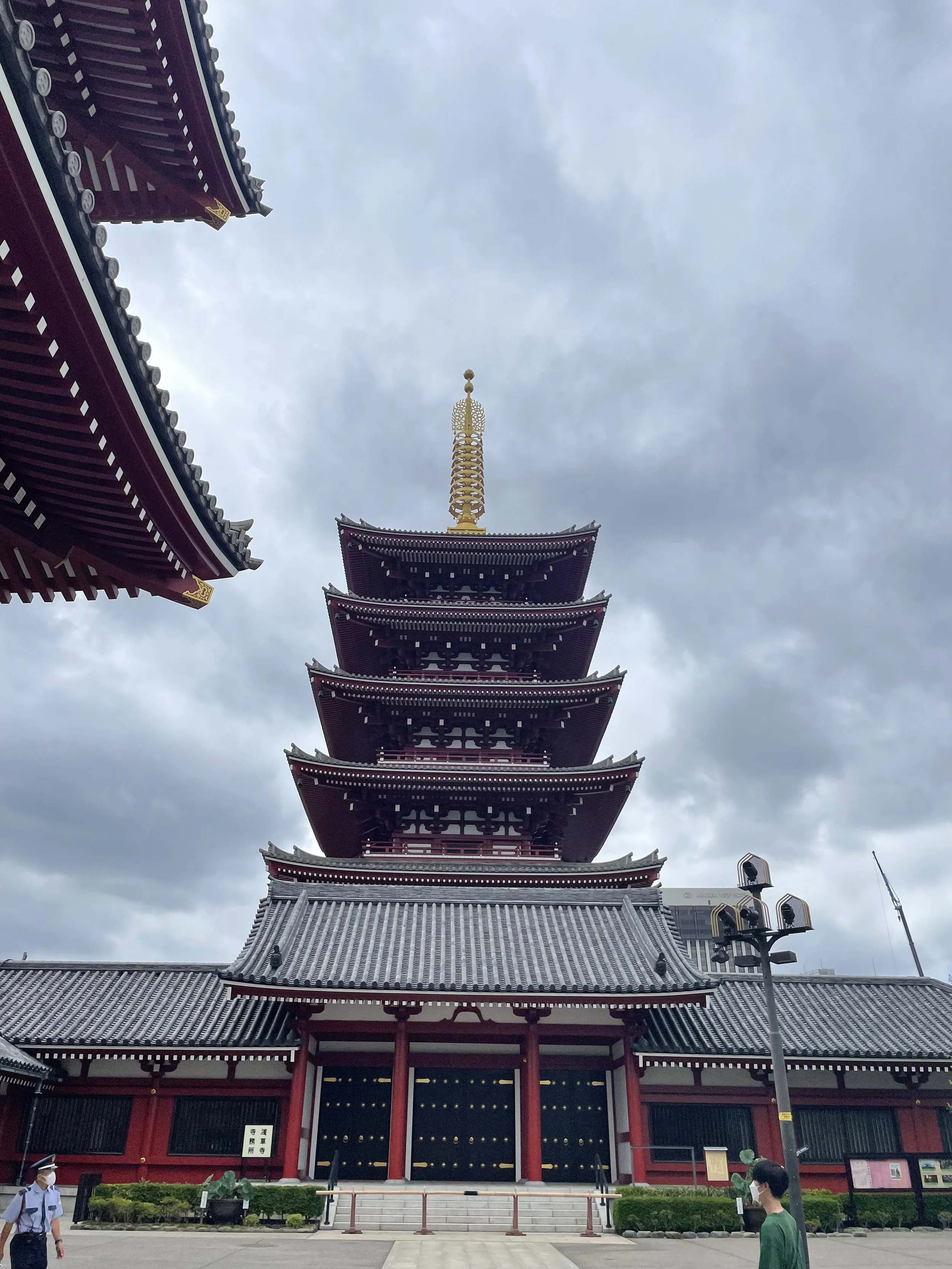
From there, head to Senso-ji Temple, Tokyo’s oldest and most famous temple. The massive red lantern at the entrance alone signals a step back in time. Inside, incense fills the air, and visitors waft the smoke toward themselves for luck and cleansing. Wander slowly along Nakamise Street, where traditional snacks and small shops create a lively yet nostalgic atmosphere. What stands out most is the contrast: centuries-old tradition surrounded by the hum of modern Tokyo.
💡 Tip: Look up—intricate carvings, gold accents, and hidden details are everywhere, and most people miss them.
Not far away, the skyline shifts dramatically as Tokyo Skytree comes into view. Towering at just over 2,000 feet tall, it’s impossible to ignore, and somehow even more impressive from the ground. The design subtly curves as it rises, blending traditional inspiration with futuristic engineering.
As daylight fades, the tower begins to glow, cycling through different lighting themes that reflect the season or mood of the evening.
At its base, Tokyo Solamachi offers a completely different experience—part shopping destination, part food hub, and part cultural stop. With hundreds of shops spread across multiple levels, you’ll find everything from beautifully packaged Japanese sweets to character stores and unique souvenirs you won’t see elsewhere.
By evening, Akihabara—often called Tokyo’s “Electric Town”—really comes into its own. A vibrant hub of anime, manga, gaming, and all things tech, it’s packed with multi-story arcades, glowing electronics shops, themed cafés, and walls of collectibles that make it feel like a living slice of pop culture. As the sun goes down, it transforms—neon lights blaze to life, arcade sounds spill out onto the streets, and every building seems to hum with an electric, almost surreal energy.
This is where Tokyo fully leans into its pop culture identity. Multi-level shops are crammed with anime, manga, and collectibles, and the deeper you venture—especially upstairs—the more unexpected and interesting it gets. We explored places like Mandarake, filled with rare and nostalgic finds, and AmiAmi, where the sheer volume of figures is almost overwhelming.
But beyond the shopping, it’s the atmosphere that really sticks with you—arcades buzzing with players, rows of capsule toy machines, and a kind of organized chaos that somehow works perfectly.
Day 3
Tokyo on day three is all about contrast—fashion and tradition, chaos and calm, global icons and local gems. Today flows from stylish boulevards to serene shrines, then into city lights and optional festival vibes.
The morning starts in Omotesando, Tokyo’s most beautiful boulevard. Tree-lined and effortlessly stylish, this street is more than shopping—it’s an experience. Sleek architecture, flagship stores, and bold design concepts make it feel like walking through a curated gallery.
Just a short stroll away is Harajuku, where Tokyo turns playful. Takeshita Street is packed with color, energy, and quirky personalities.
Street Food Highlights in Harajuku:
🍓 Strawberry crepes piled high with cream
🍡 Dango (sweet rice skewers)
🍭 Rainbow cotton candy (yes, it’s huge!)
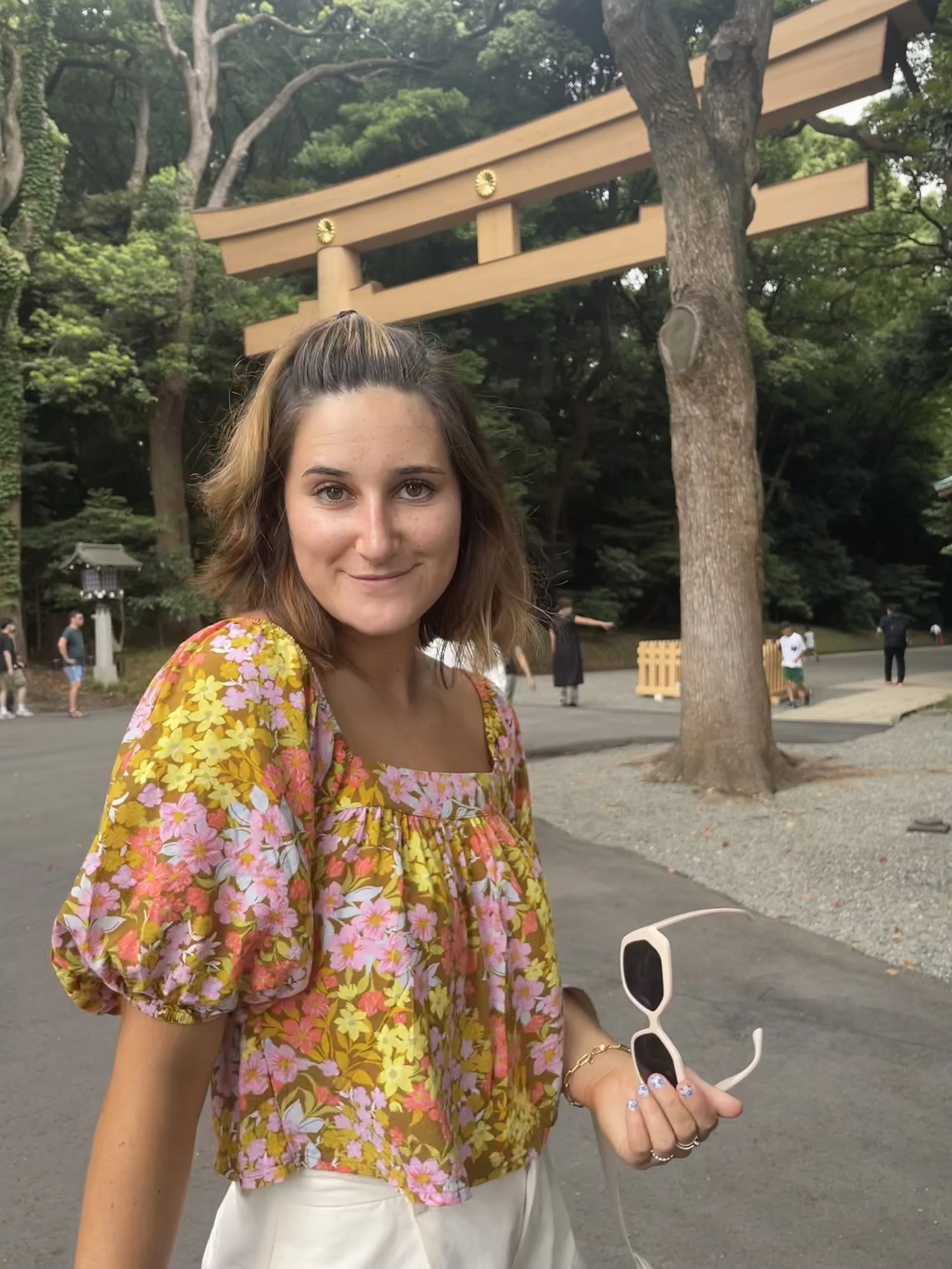
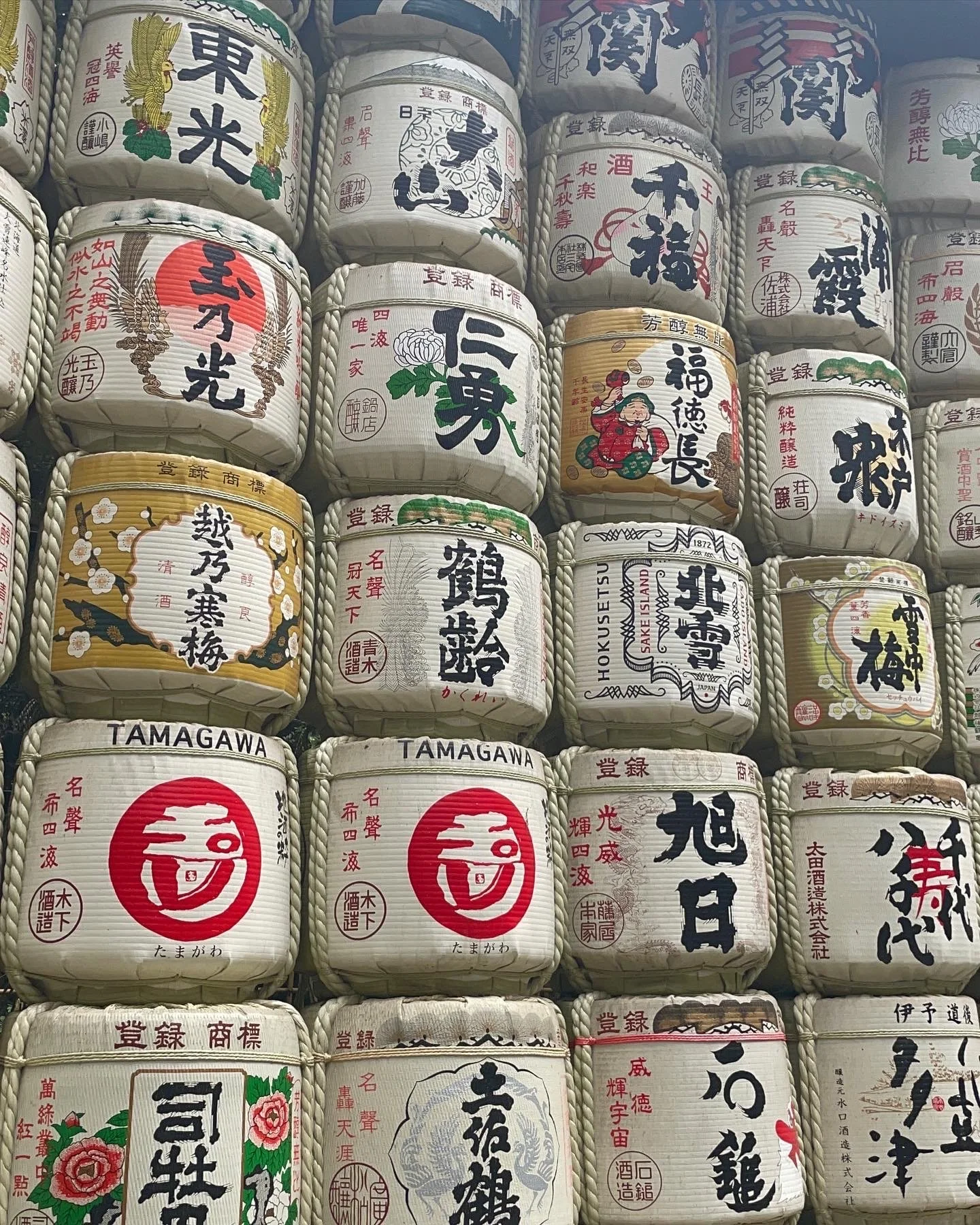
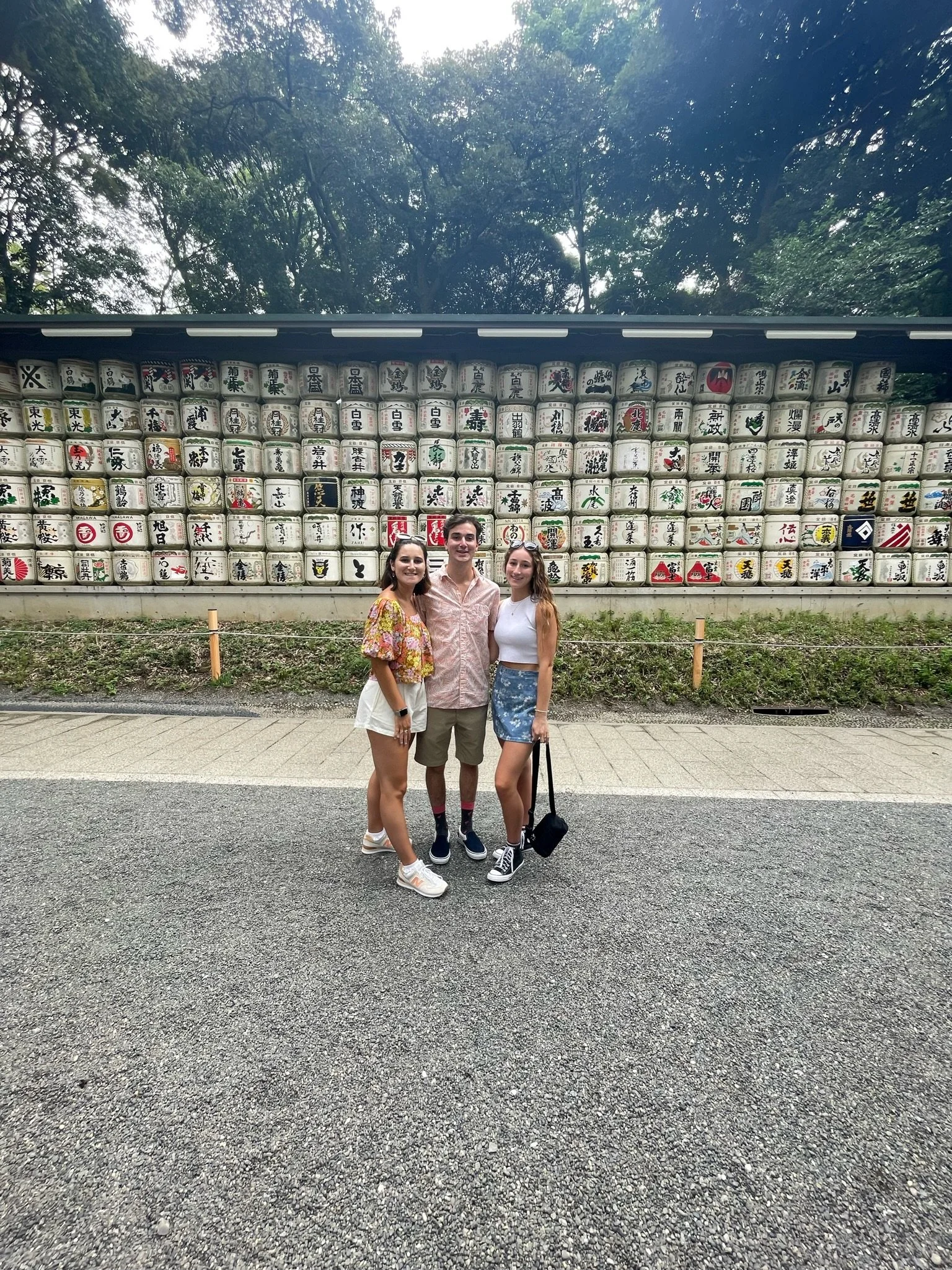
From vibrant Harajuku, a short walk takes you to Meiji Shrine, a peaceful retreat in the heart of the city. Walking through the towering torii gate and forested pathways, the city noise fades away. Pause to observe rituals, offer a prayer, or just enjoy the forested serenity.
Next, the city ramps back up at Shibuya Crossing, where hundreds of people cross in perfect chaos. It is the busiest pedestrian intersection on the planet and has even been included in famous movies such as Lost in Translation and Fast & Furious: Tokyo Drift. Just nearby is the Nintendo Tokyo Official Store, a paradise for gamers with exclusive merch and life-size displays.
Lunch in Shibuya – Quick Picks:
🍜 Ramen bowls with rich broth and springy noodles
🍱 Bento-style set meals
🍣 Fresh sushi
💡 Tip: Skip the main crossing for lunch; smaller streets have shorter lines and better deals.
The Imperial Palace East Gardens are a must-visit for anyone wanting a glimpse into Japan’s imperial history, as they occupy the former site of Edo Castle, the seat of the Tokugawa shogunate. Walking through the stone walls, moats, and manicured gardens, you can almost feel the centuries of power, tradition, and carefully cultivated beauty that shaped the heart of old Tokyo.
By the end of these three days, Tokyo starts to feel less like a city you’re visiting and more like one you’re slowly discovering—each neighborhood offering a completely different personality, each meal a small adventure, and each shrine or skyscraper a story waiting to be noticed. From the tranquil pathways of Meiji Shrine to the neon chaos of Akihabara, and from immersive digital art at teamLab Planets to the serene reflection of Tokyo Skytree over the Sumida River, this city is a masterclass in contrasts—and it’s a place that lingers long after you leave.
If your travels take you beyond Tokyo, I’ve put together detailed itineraries for Osaka and Kyoto to help you keep exploring. From Osaka’s buzzing street food scene and historic castles to Kyoto’s timeless temples, bamboo forests, and quiet, spiritual corners, each city offers a completely different side of Japan—all just a bullet train ride away.
Tokyo may be Japan’s fast-paced heartbeat, but it’s also the perfect introduction to the richness, beauty, and endless surprises the country has to offer. We quickly realized it’s the kind of place where you can spend far too much money in a single afternoon, get completely lost in a neighborhood you hadn’t planned to visit, and still feel like you’ve only scratched the surface—and somehow have zero regrets about any of it. And while Tokyo sets the tone, it’s only the beginning—places like Hakone, with its slower pace and mountain views, or Osaka, with its bold food scene and lively streets, add entirely new layers to the experience. Start exploring, and let the country reveal itself—one neighborhood, one meal, one temple at a time.
If your Japan adventure is just getting started, don’t stop here:
🌿 Hakone fi-tinerary – scenic lake cruises, mountain views, relaxing onsens, and a slower side of Japan
🍜 Osaka fi-tinerary – street food heaven, neon nightlife, and unforgettable local flavor
⛩️ Kyoto fi-tinerary – bamboo forests, ancient temples, geisha districts, and quiet spiritual moments
Together, Tokyo, Hakone, Osaka, and Kyoto create the ultimate Japan fi-tinerary—each destination revealing a completely different side of the country, from futuristic skylines and peaceful retreats to cultural treasures and electric city life.
