

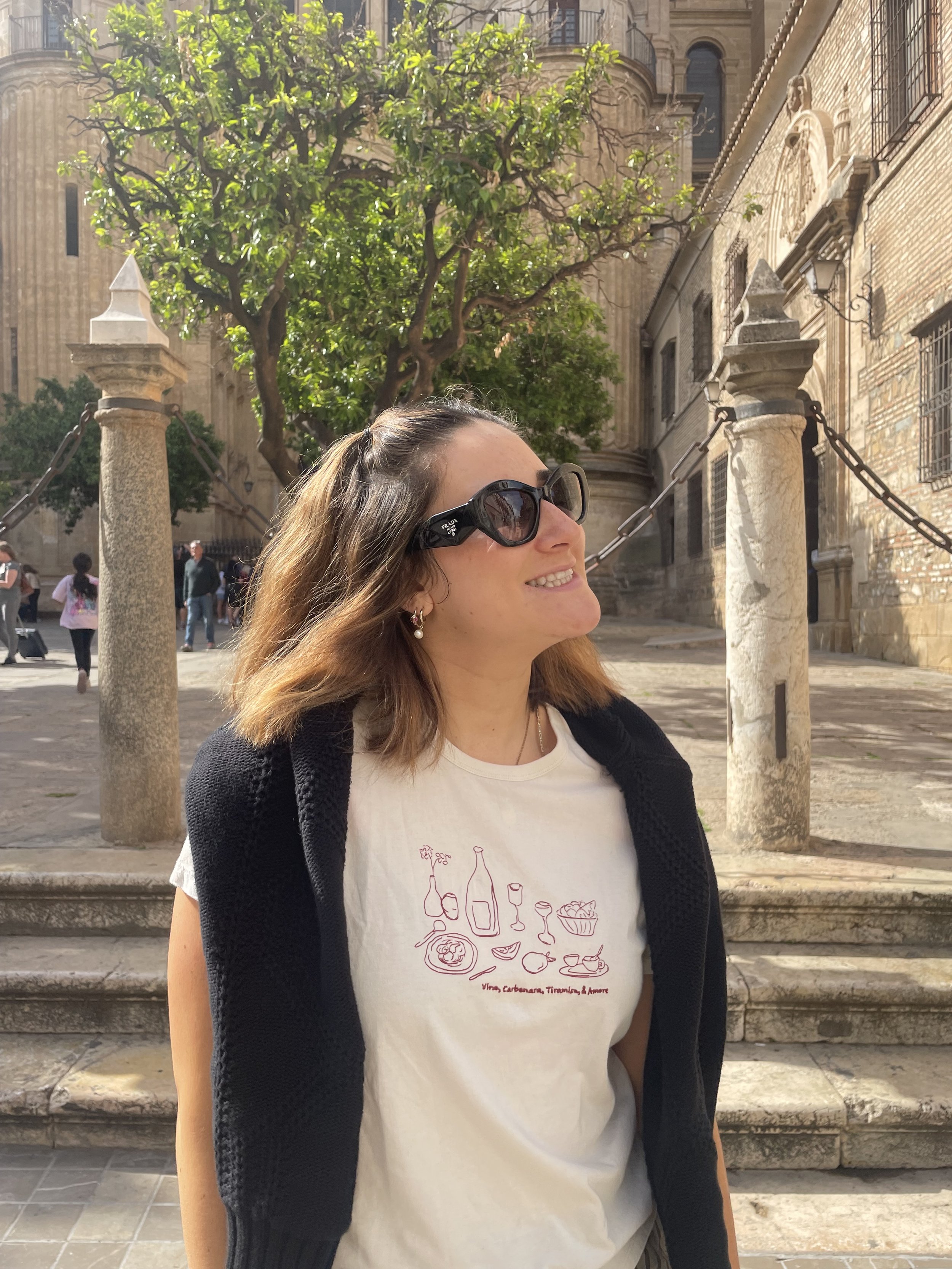
6 Days in Andalucía's Golden Triangle:
If you're dreaming of sun-bleached plazas, Moorish palaces, and tapas worth planning entire evenings around, Andalucía's Golden Triangle is calling your name. We spent six days in Andalucía, weaving through Málaga, Granada, and Seville—three cities that couldn't feel more different, yet are unmistakably, gorgeously Andalusian. Each one has its own rhythm: Málaga is breezy and coastal, Granada is all mountain light and Moorish grandeur, and Seville hums with flamenco energy well past midnight. Here's the full fi-tinerary, from wandering ancient fortresses and cycling past flower-filled plazas to sunset views over the Alhambra and late-night tapas crawls through Seville's buzzing barrios — plus every insider tip we picked up along the way.
Day 1 — Málaga
🚌 Travel Time: About 30 minutes from Málaga Airport, or hop the A Express Bus for €4.
After a smooth landing, we checked into Hotel Eliseos Málaga, right in the city center—a perfect base where historic streets meet a fresh sea breeze the moment you step outside. We kept our first evening low-key by design: a slow wander through the neighborhood, a glass of wine on a quiet terrace, and an early night to shake off the travel fog before the real exploring began.
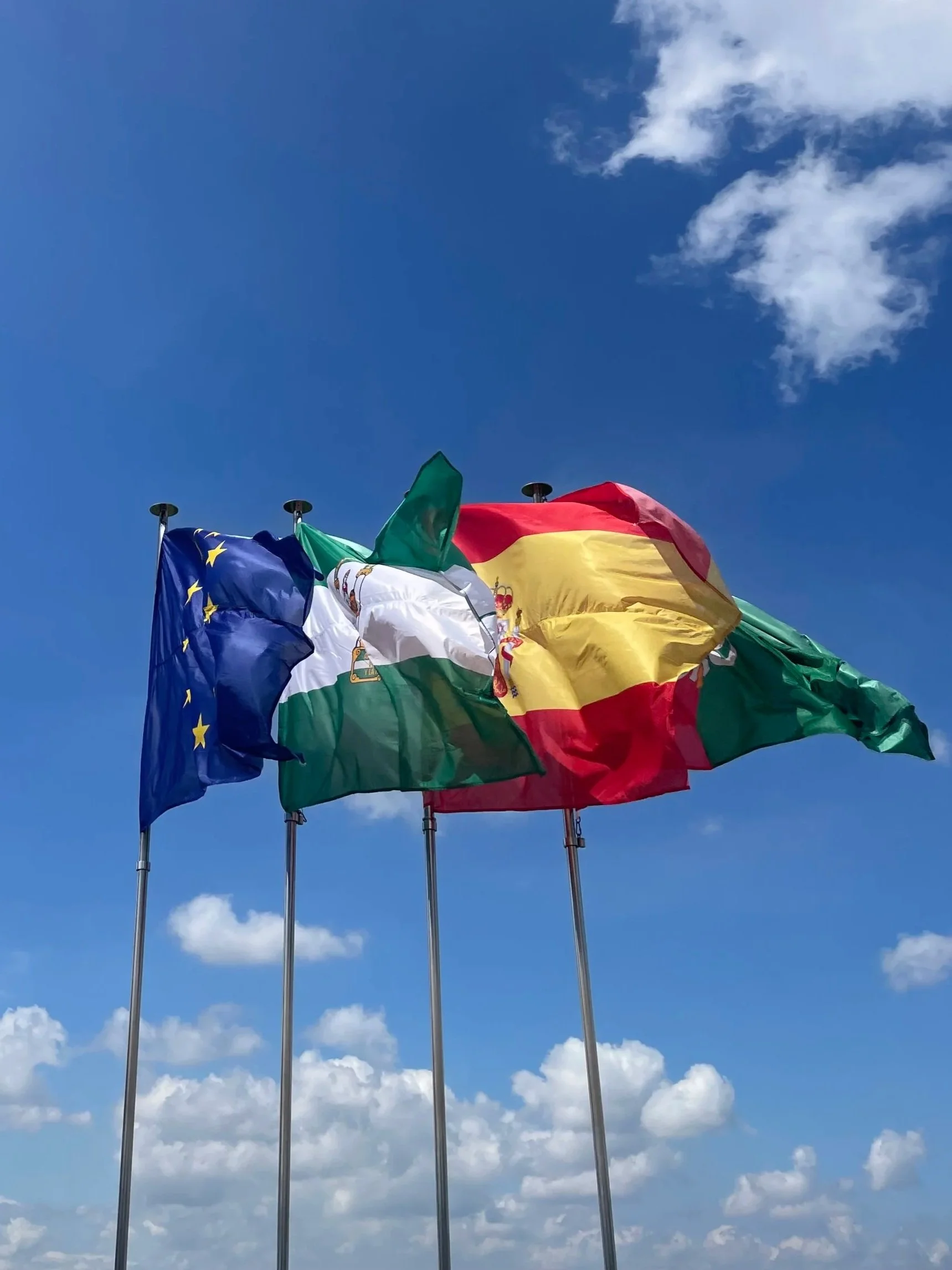
Day 2 — Málaga
We spent a leisurely morning soaking up Málaga's history and seaside vibes on a walking tour — and you'll want to do the same.
We started at Plaza de la Constitución, the heart of the old town. From there, wander Calle Marqués de Larios, Málaga's grandest pedestrian street, all marble pavements and grand 19th-century façades. It's polished and elegant without feeling stuffy — duck into a boutique, a Spanish fashion chain, or just pause for a gelato at one of the stands along the way.
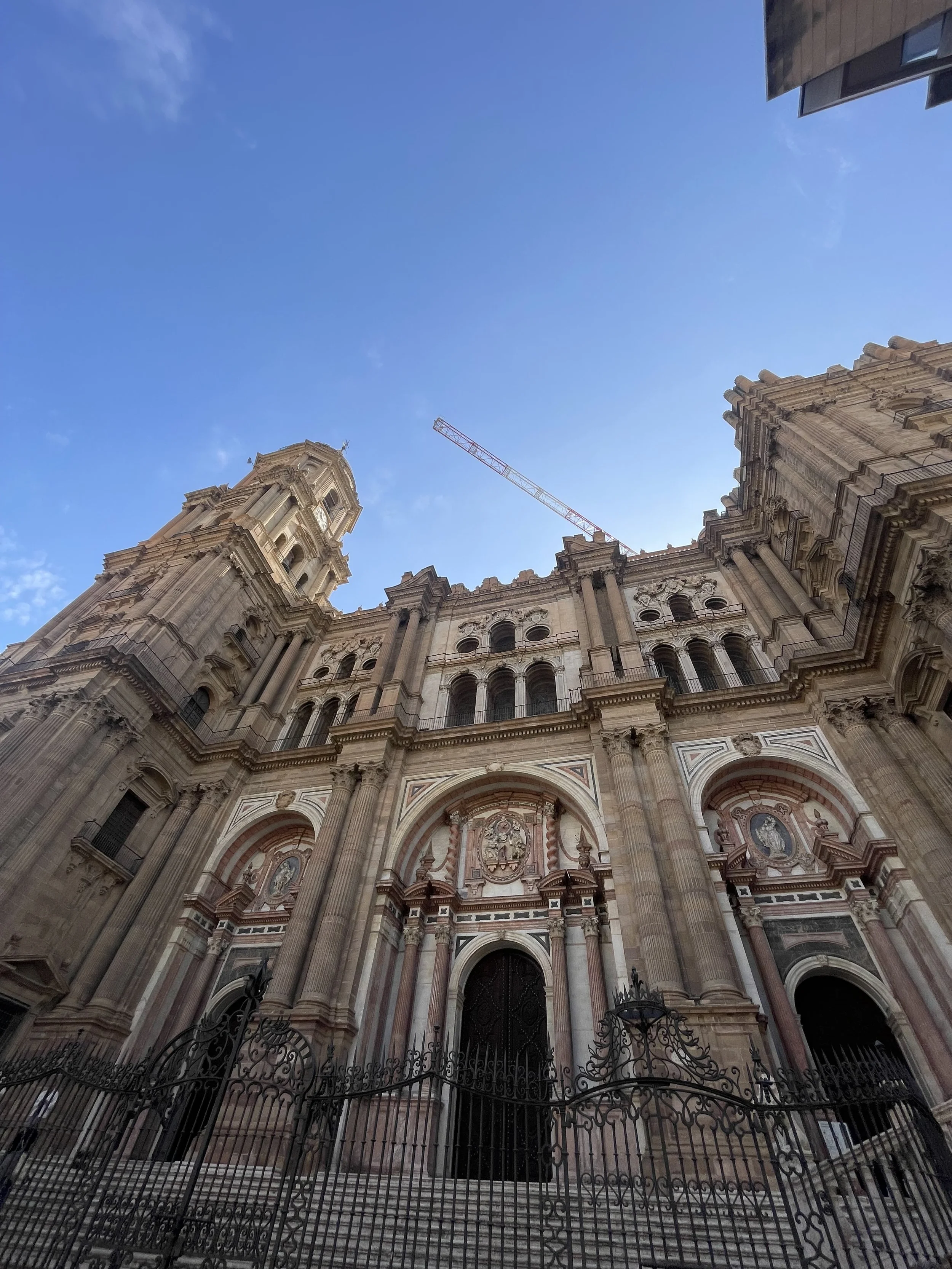
Step inside Málaga Cathedral, nicknamed "La Manquita" (the one-armed lady) for its famously unfinished second tower — a quirk locals have long since embraced rather than fixed. Inside, soaring Renaissance architecture, intricate choir stalls, and colorful stained glass fill the space with a shimmering, cathedral-hush light that makes you want to sit for a while.
Then climb up to the Alcazaba, an 11th-century Moorish fortress (entry is €3.50), and lose yourself in its labyrinth of walls, fragrant orange trees, and tranquil courtyards. The views over Málaga's port and rooftops are jaw-dropping, one of those moments when you just stop talking and look. The Roman Theatre sits just below the fortress, free to visit and quietly atmospheric; close your eyes, and you can almost hear the echoes of ancient performances still bouncing off the stone.
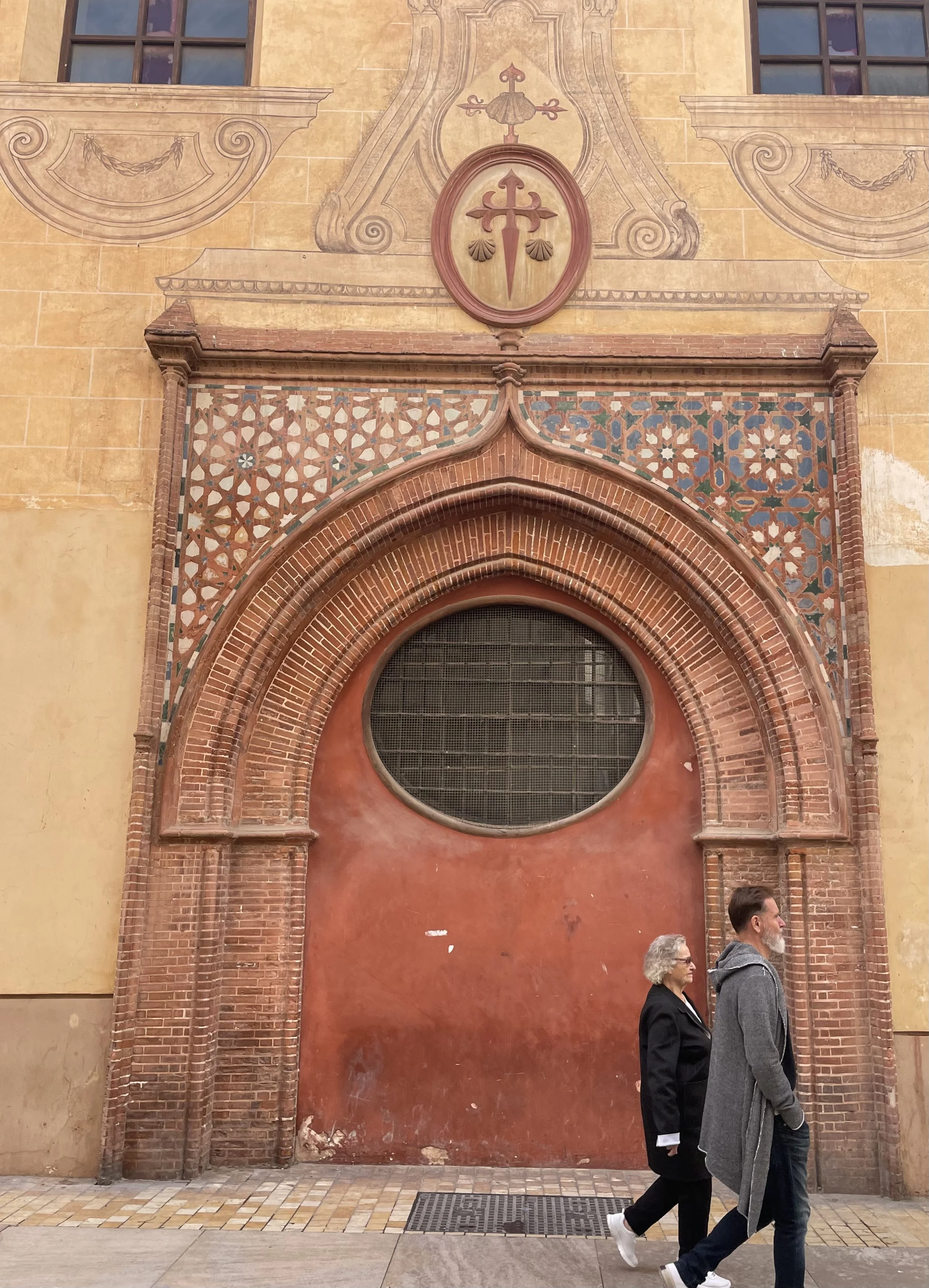
Duck into Pasaje de Chinitas, a narrow alley once known as a famed literary haunt, now lined with artisan shops, vintage bookstores, and cozy cafés — ideal for a slower, quieter wander away from the main streets. Then head to Mercado de Atarazanas, a bustling market in a former Moorish shipyard, bursting with local produce, fresh seafood, and lively tapas bars.
Finish the day at Muelle Uno, a vibrant waterfront promenade lined with shops, terraces, and street art. Stroll toward La Farola, Málaga's iconic lighthouse, before finishing with a relaxing break on Malagueta Beach. Dip your toes in the Mediterranean or grab a sunbed and simply unwind — you've earned it after a full day on your feet.
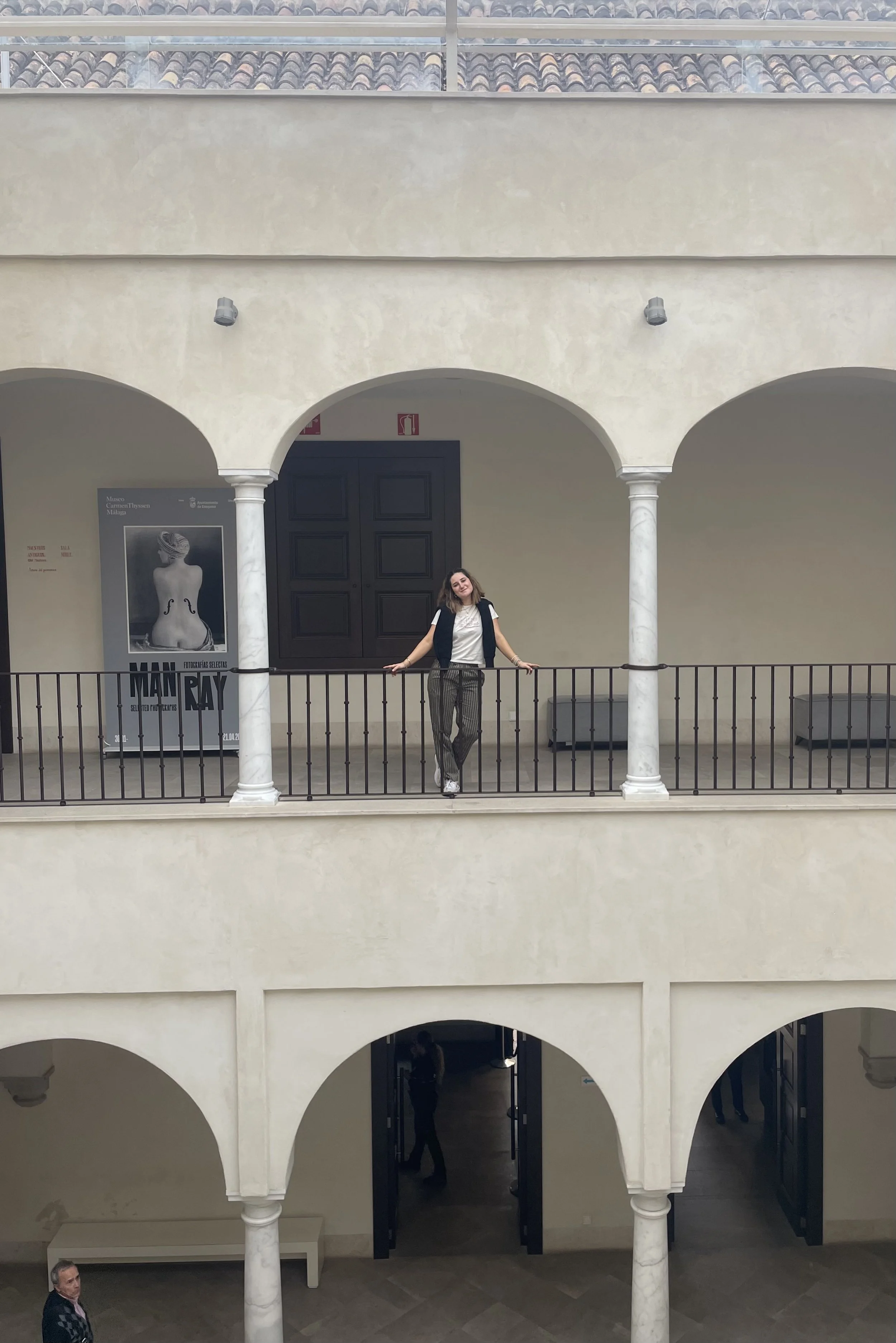
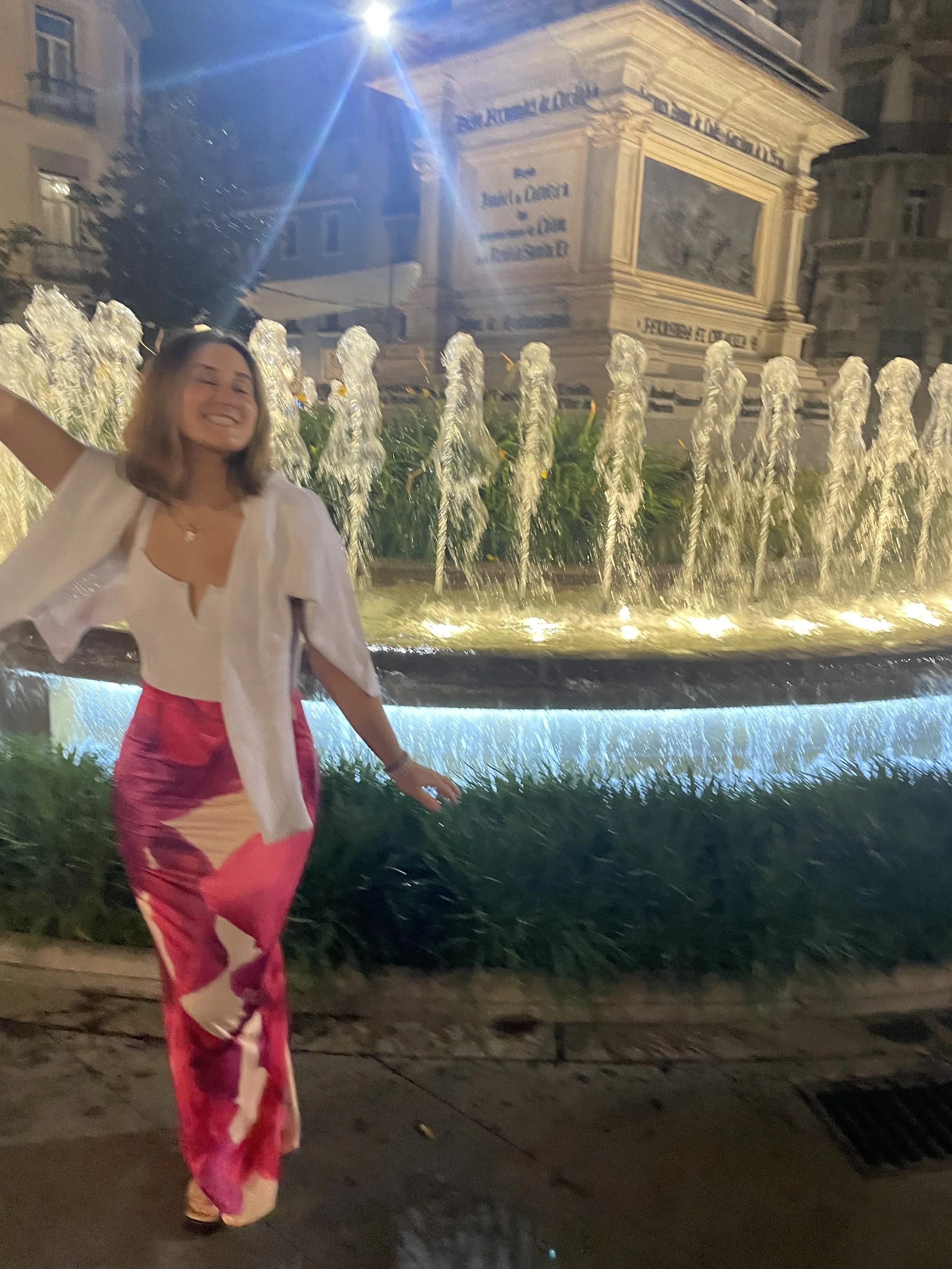
Day 3 — Granada
🚆 Travel Time: A scenic two-hour train ride from Málaga, through Andalucía's rolling hills and olive groves.
We stayed at Hotel Puerta de Las Granadas, a charming boutique hotel perfectly perched at the foot of the Alhambra hill. Just steps from vibrant tapas bars and artisan shops, it was a warm, welcoming base for exploring Granada on foot.
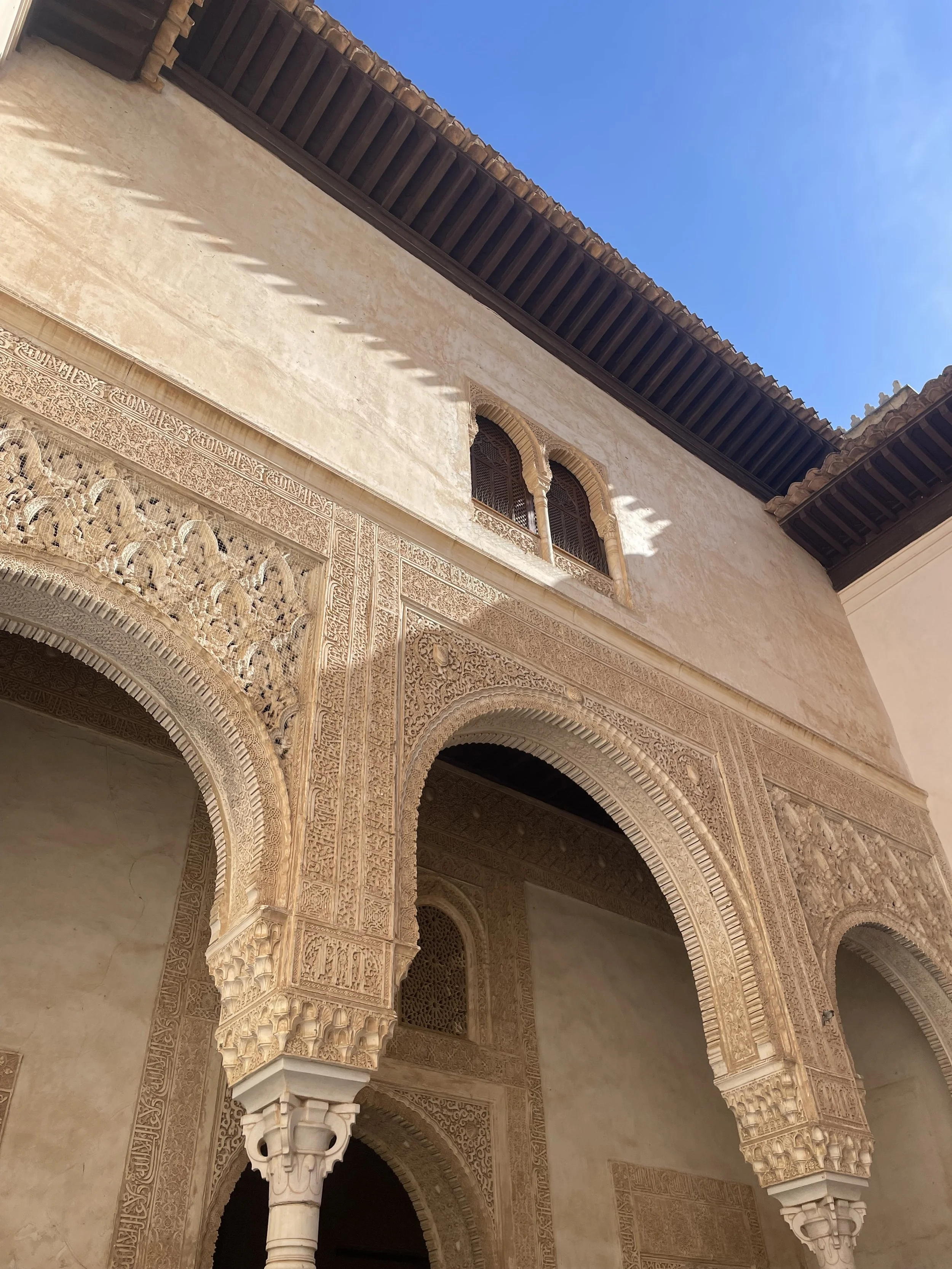
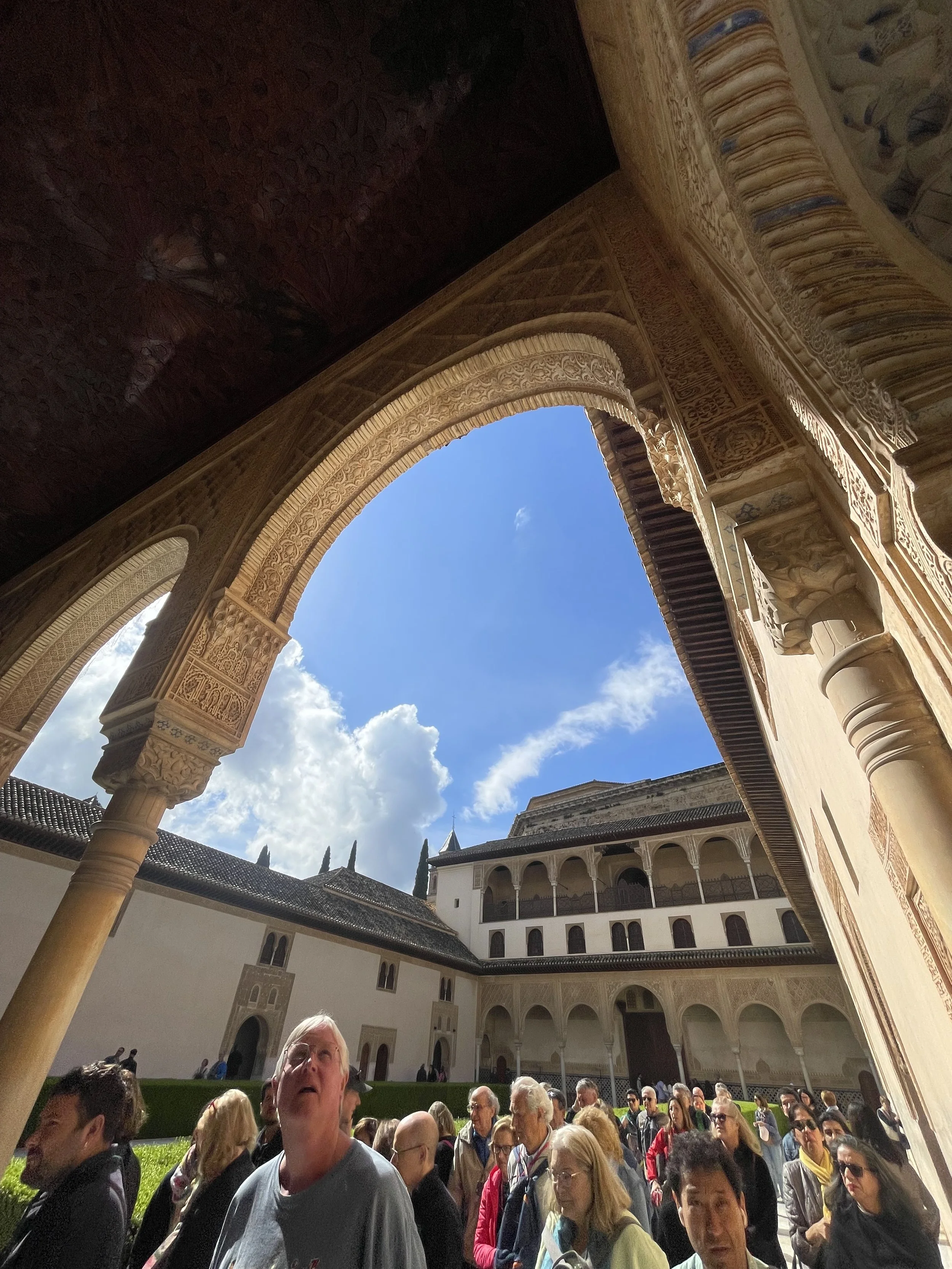
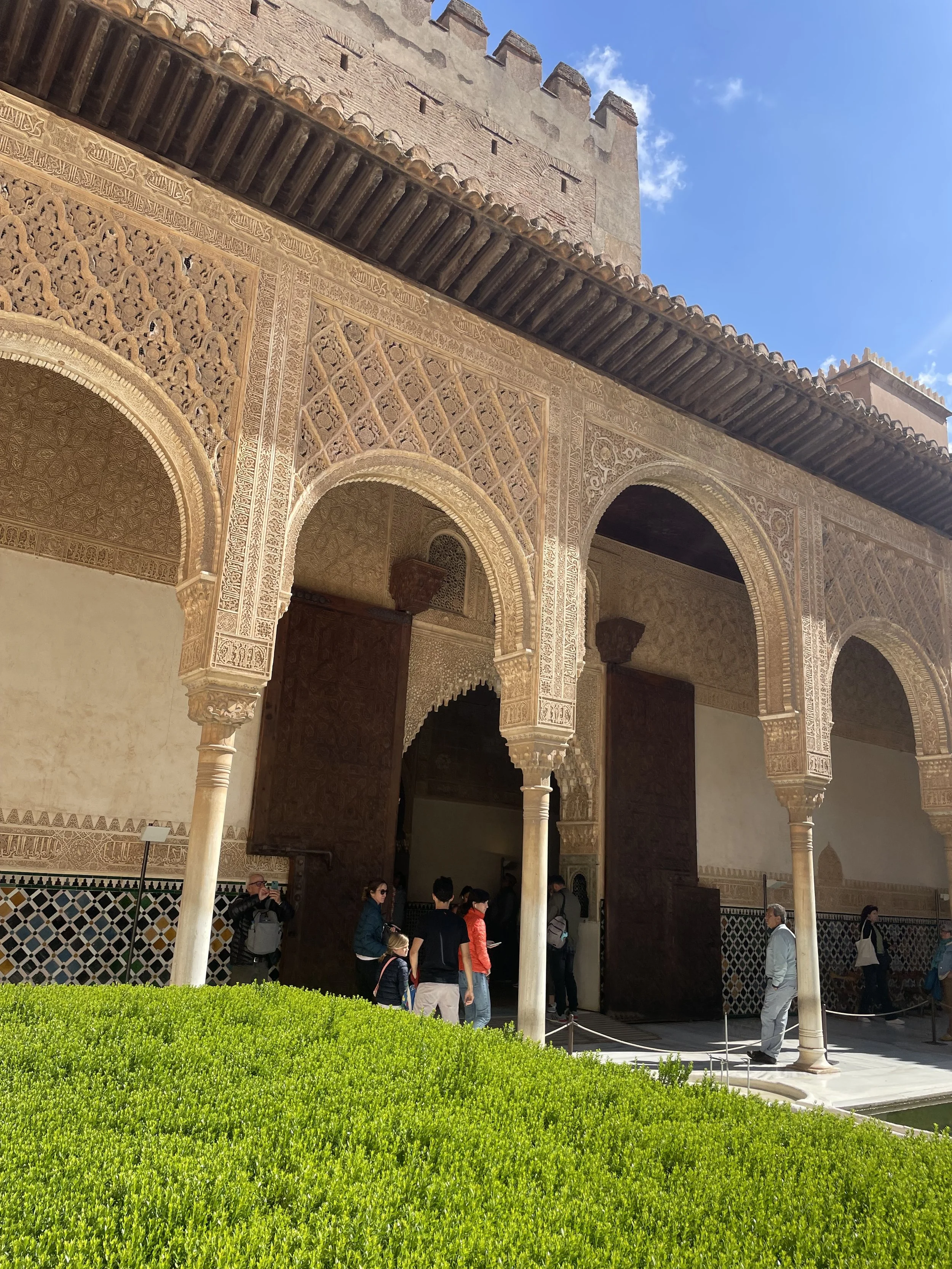
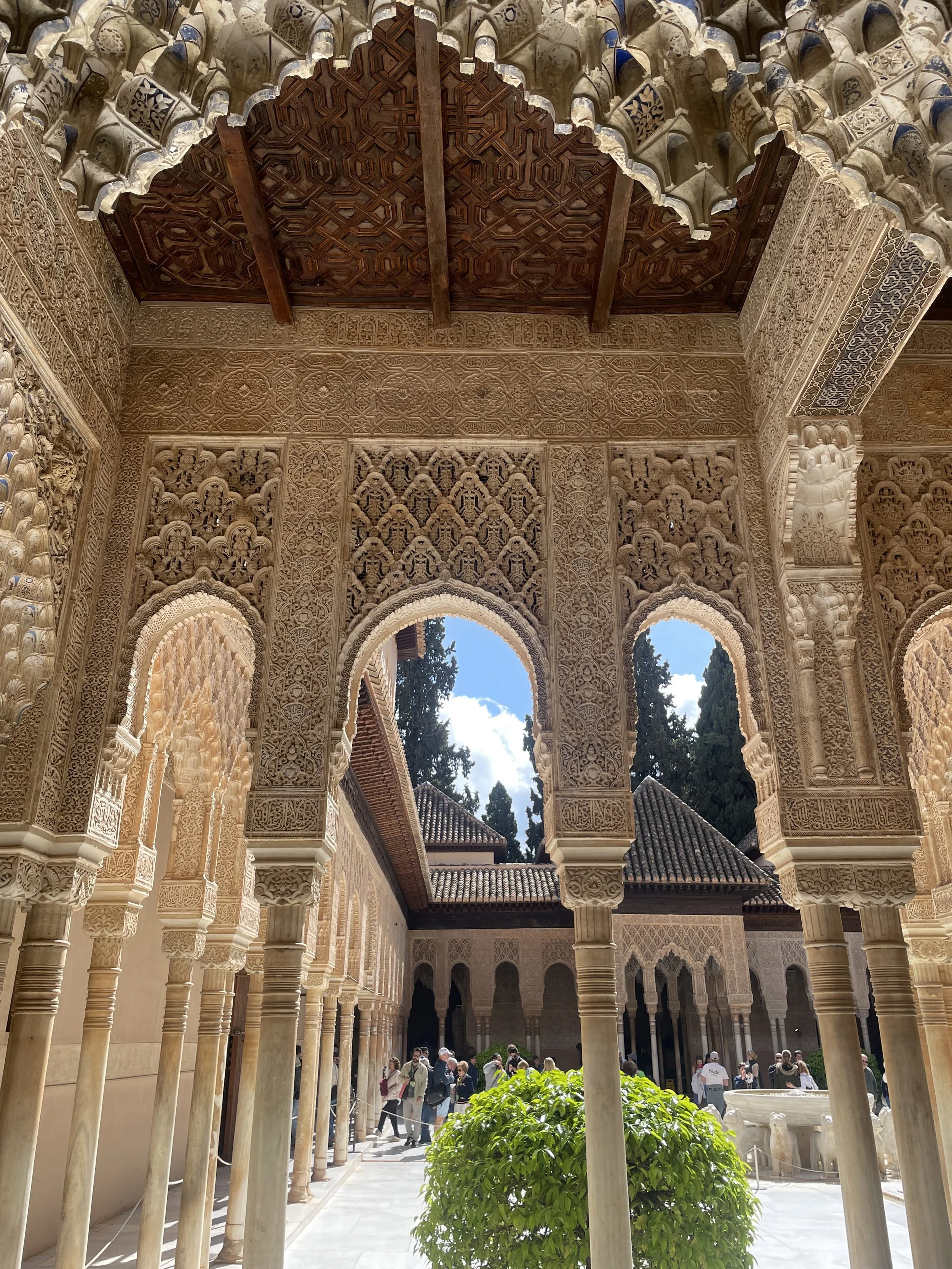
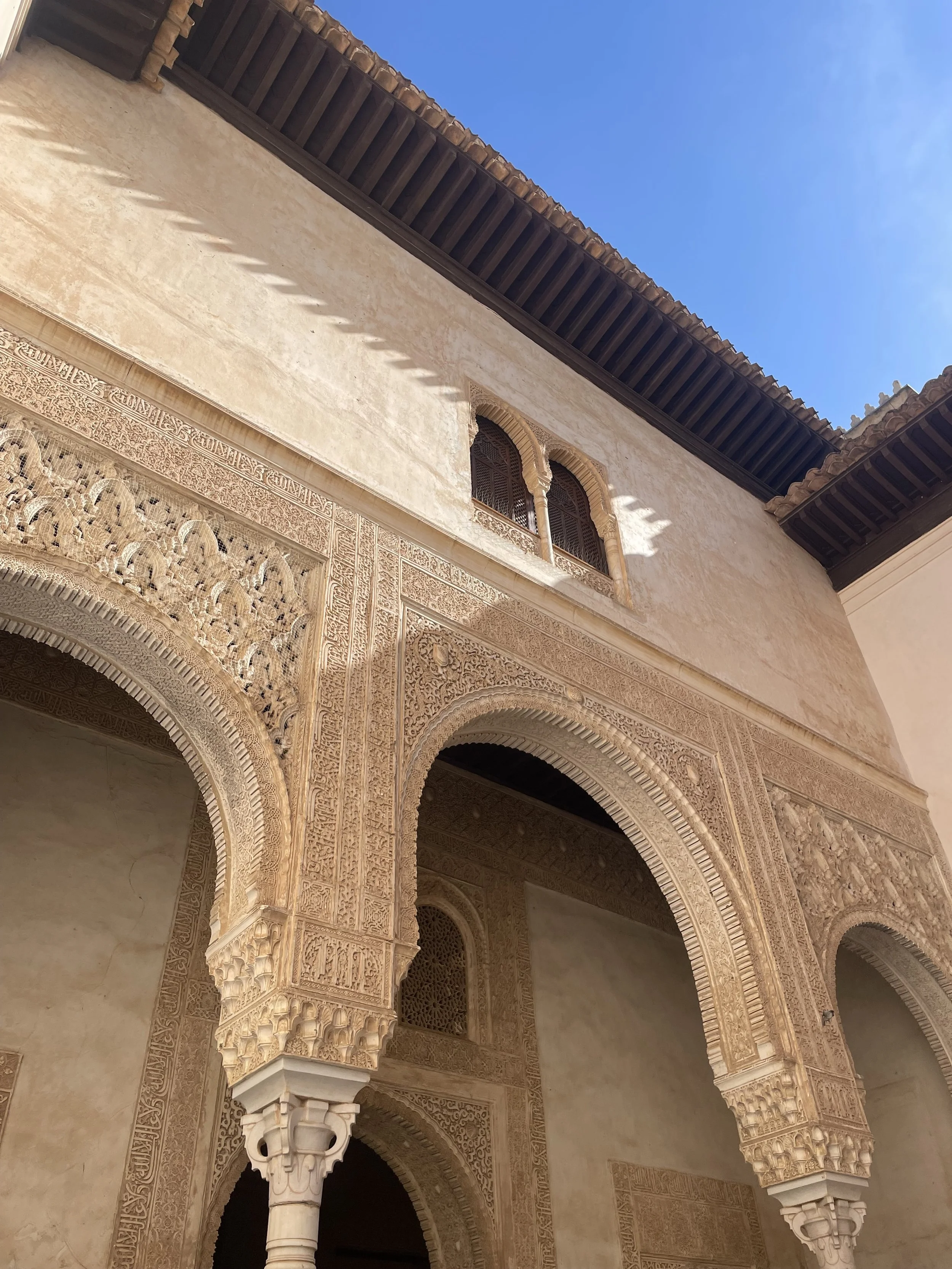
💡 Pro Tip: Book your Alhambra tickets well in advance. This UNESCO World Heritage site is Granada's crown jewel and often sells out weeks ahead, so plan your entire day around your timed entry to the Nasrid Palaces — the true heart of the Alhambra experience. Pick up your tickets at 41 Cuesta de Gomérez, just a two-minute walk from the hotel, then prepare for a scenic 35-minute uphill stroll through shaded pathways and fragrant gardens to reach the main entrance. Bring plenty of water and snacks, or even pack a picnic lunch because you will be there all day.
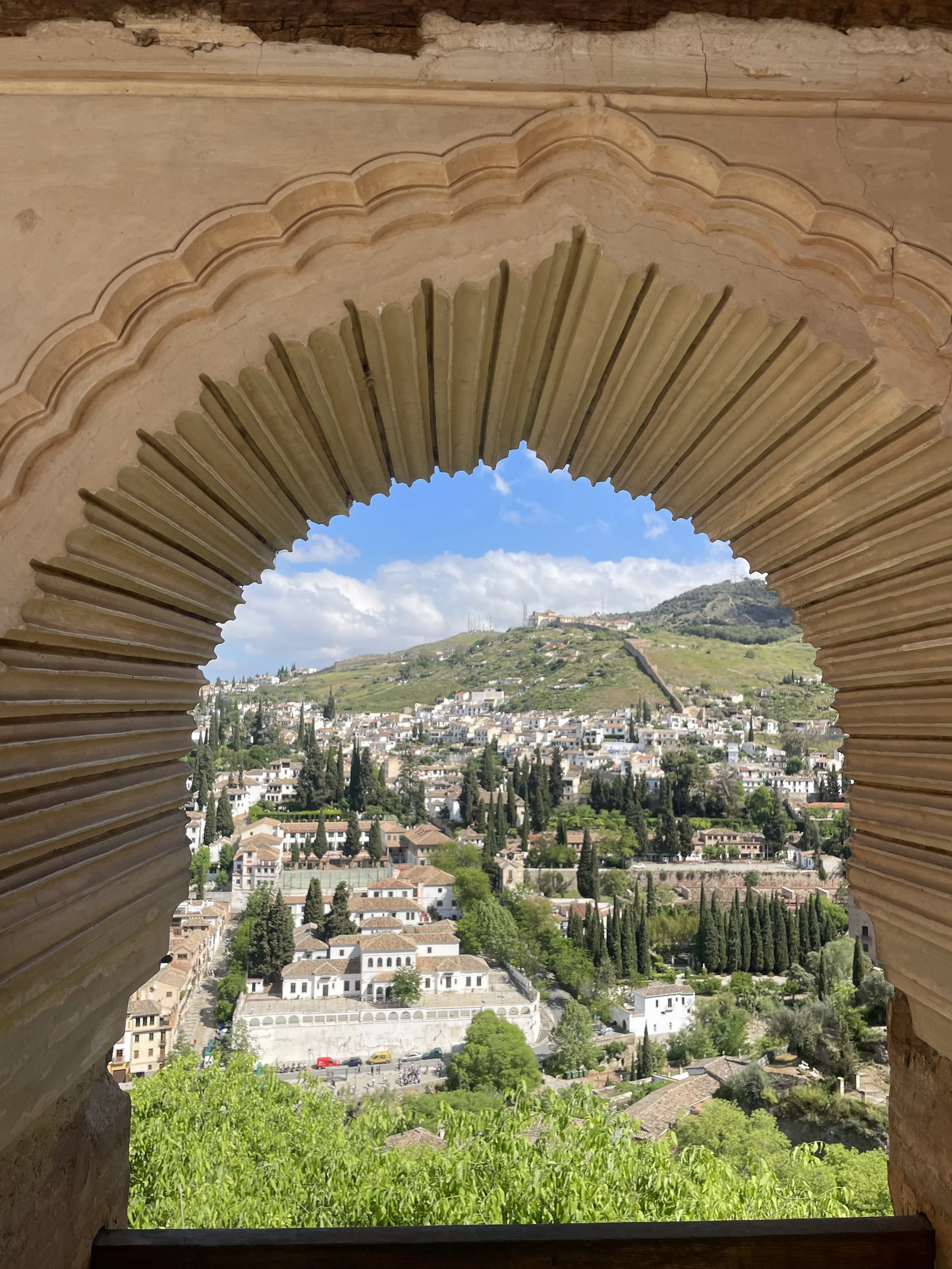
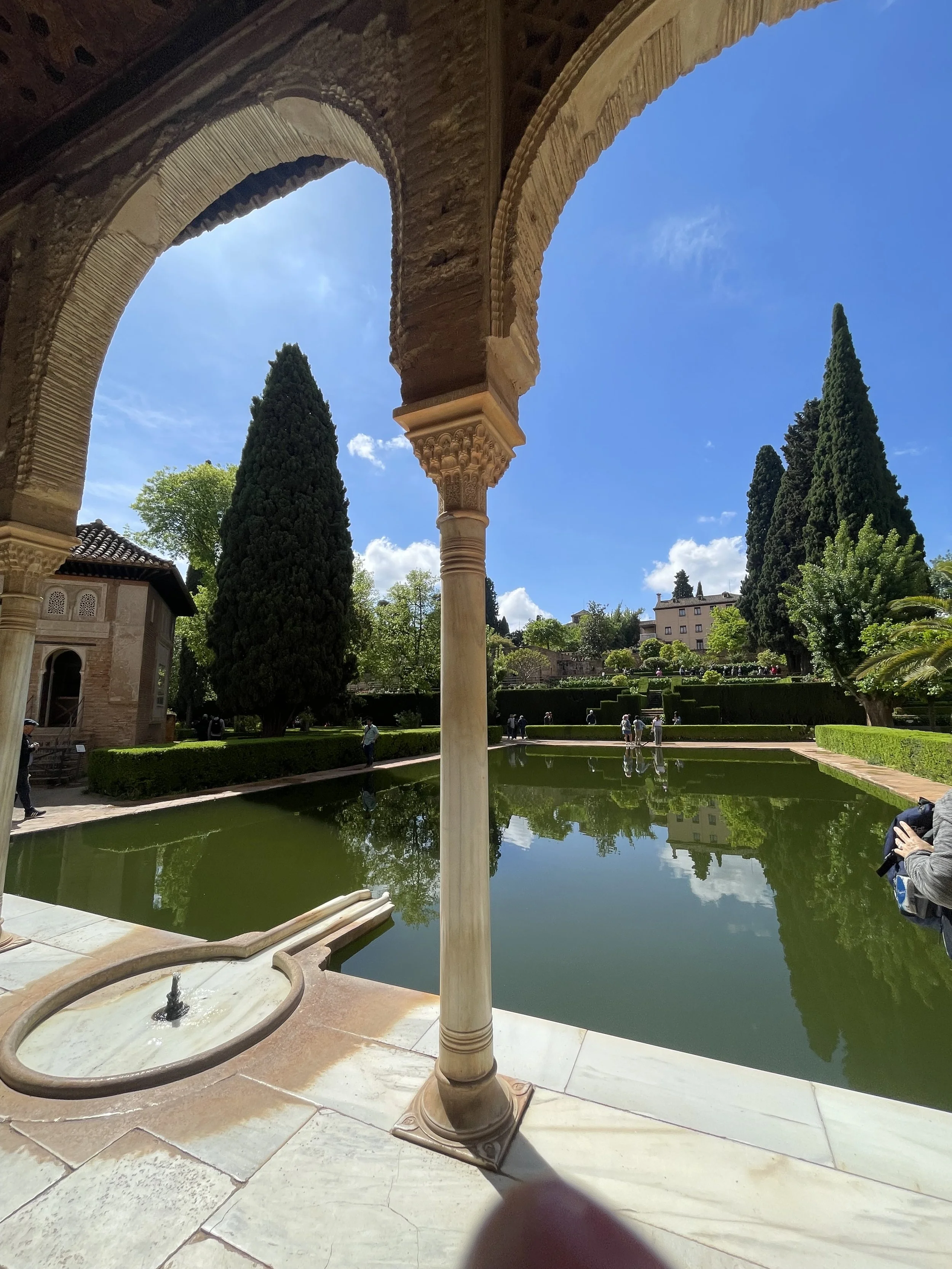
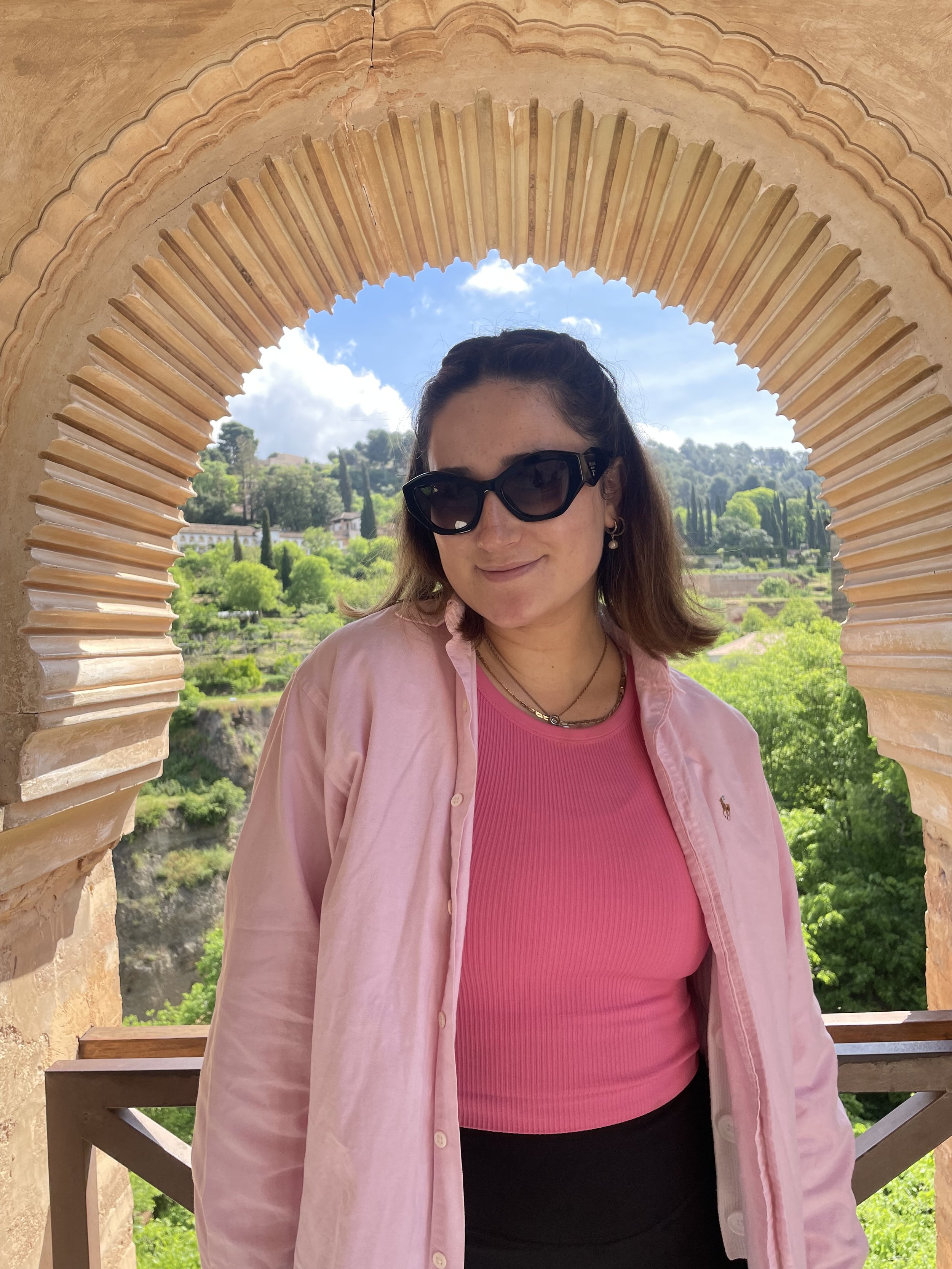
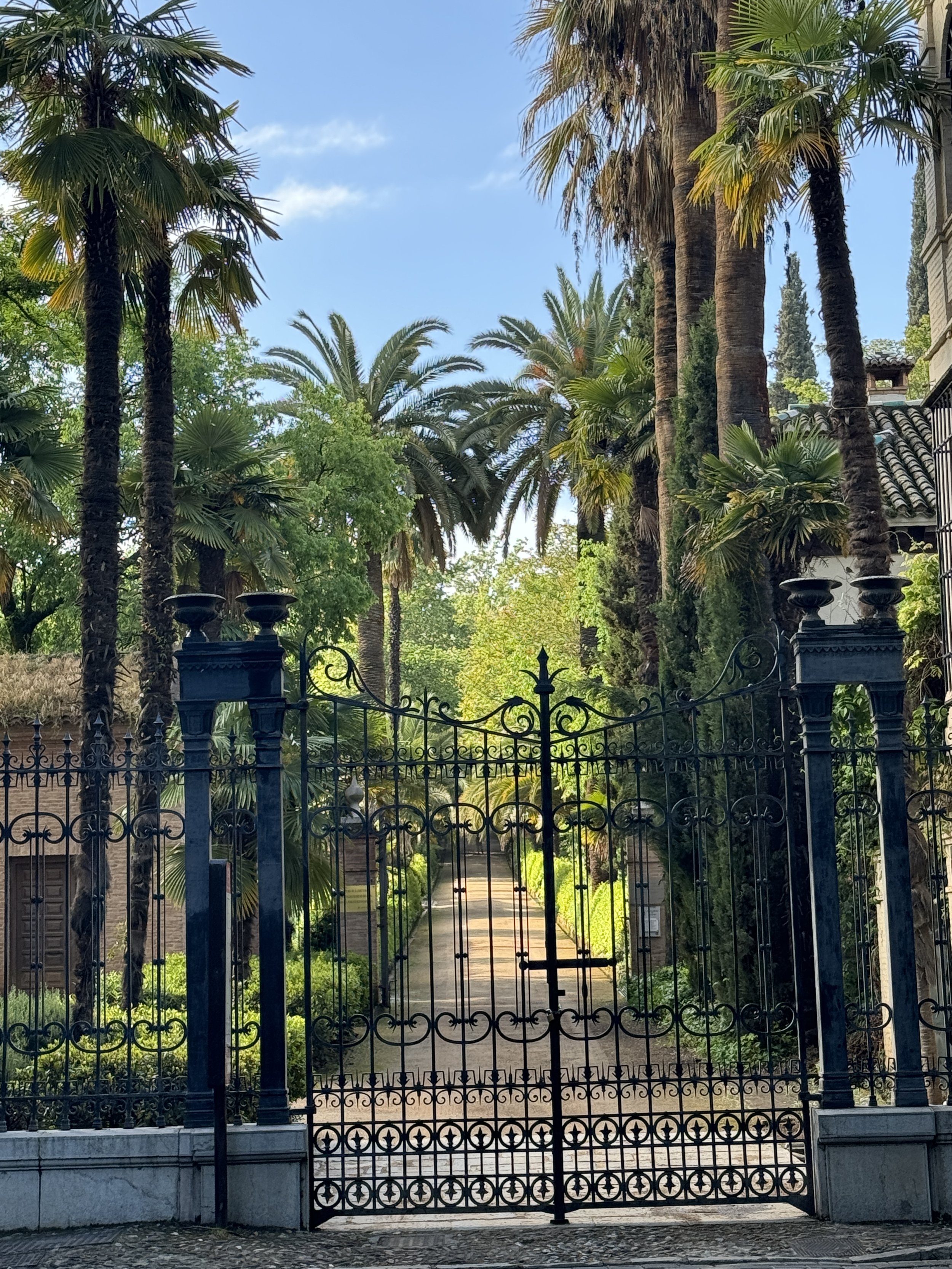
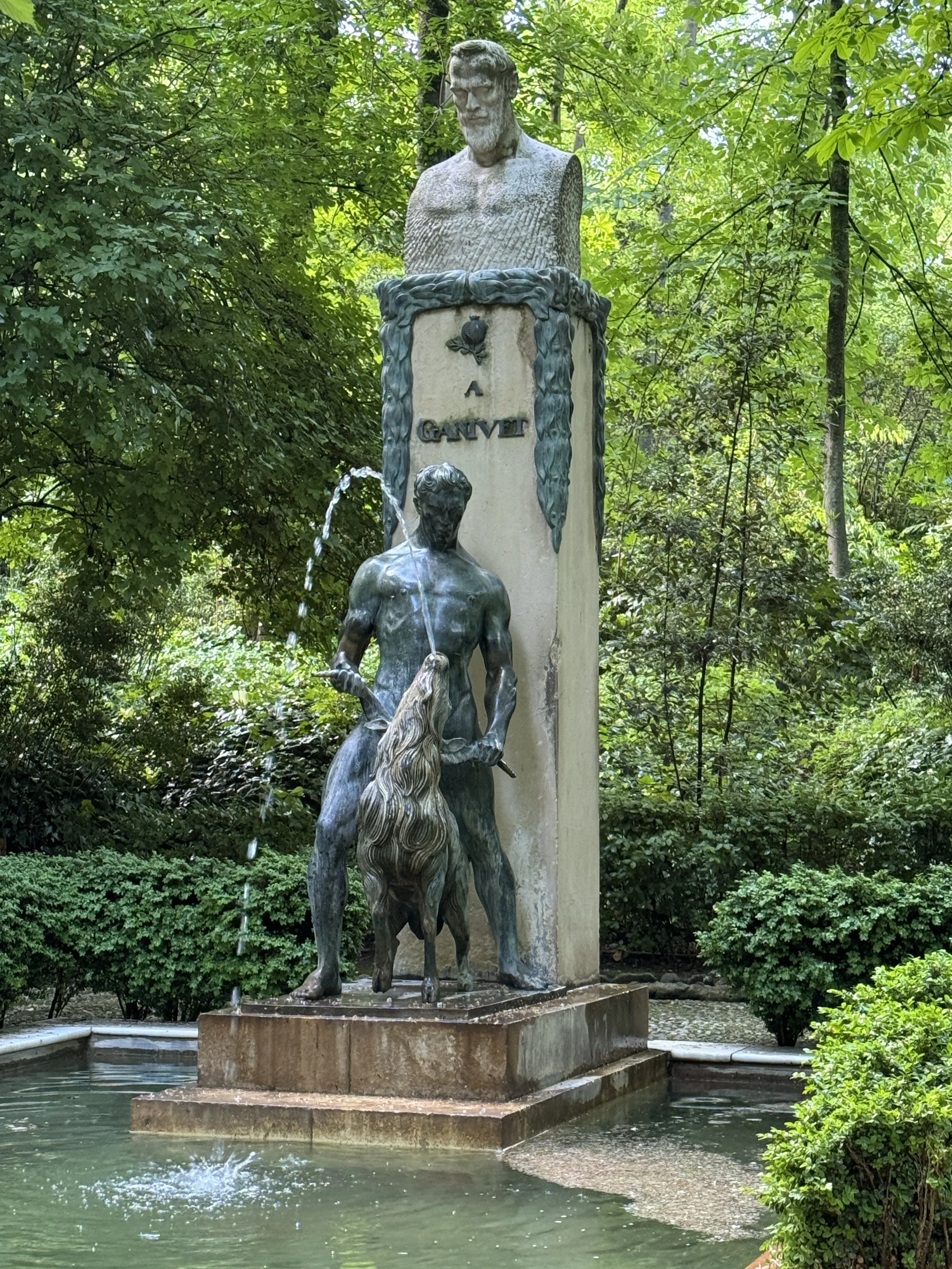
We lingered for hours in the Alhambra's ornate palaces and fragrant Generalife gardens. We took in sweeping views from the Alcazaba fortress walls. As the day wound down, we climbed to Mirador de San Nicolás for a spellbinding sunset view of the Alhambra bathed in golden light, with the Sierra Nevada peaks rising in the background. It's a magical scene, though be prepared for crowds and street performers — everyone in Granada seems to have the same idea at golden hour.
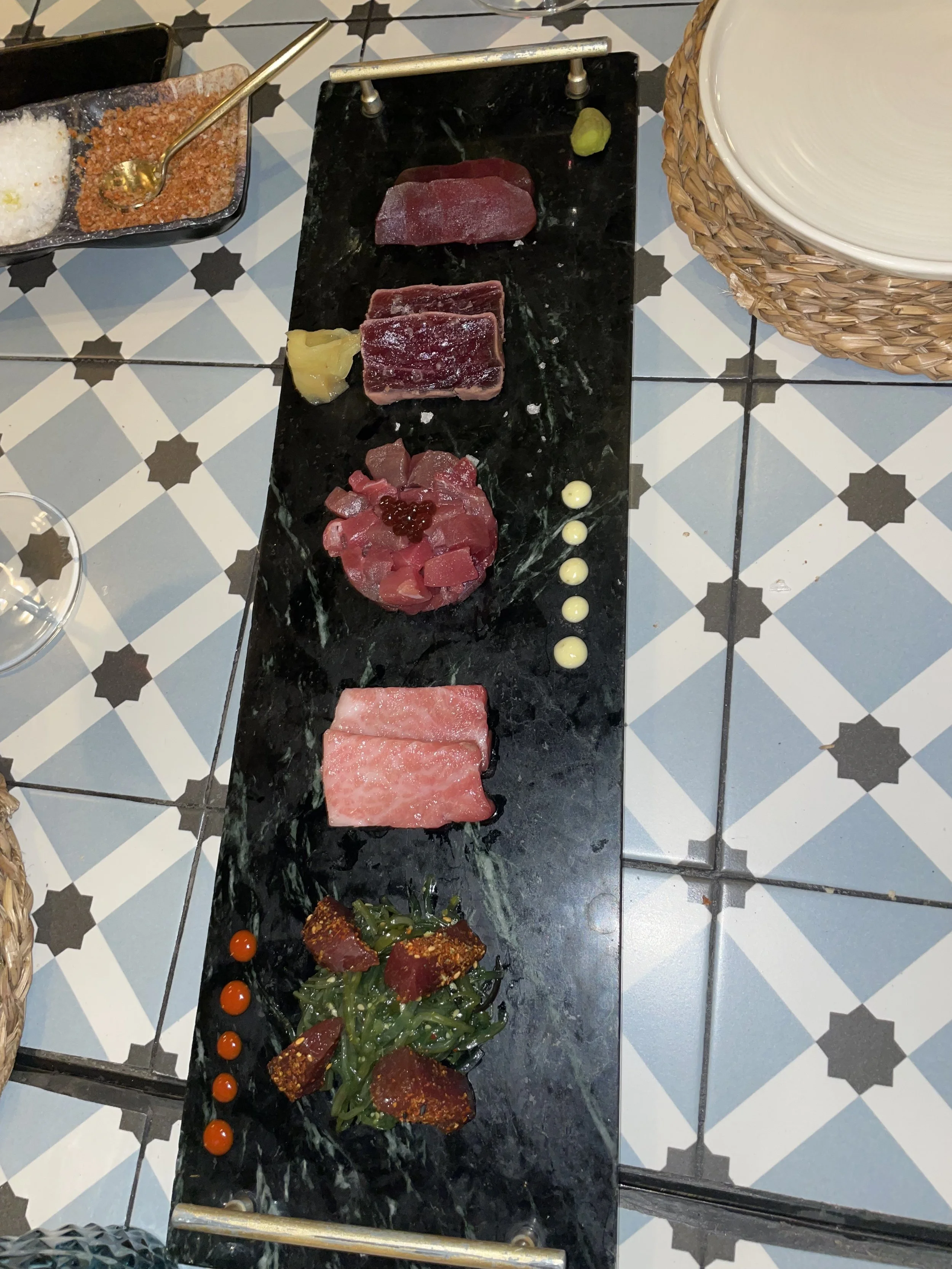
For a quieter, equally stunning view of the Alhambra, we had dinner at Mirador Carmen, watching the sunset while savoring:
🐟 Bluefin tuna sampler — fresh, delicately seasoned cuts bursting with flavor
🥩 Sirloin steak — perfectly seared and tender
🍄 Mushroom dishes with pesto and delicate egg foam — earthy, rich, and genuinely creative
Day 4 — Granada
We started the day exploring two of Granada's most iconic landmarks — the Capilla Real and Granada Cathedral — both packed with history and the kind of architecture that makes you crane your neck.
The Capilla Real, or Royal Chapel, houses the ornate tombs of Ferdinand and Isabella, the Catholic Monarchs who shaped so much of Spain's history. Step inside to admire the impressive Gothic altarpiece, intricate wrought-iron screens, and the monarchs' beautifully sculpted marble effigies. The adjacent museum displays priceless religious art and personal artifacts from the royal collection, and it's worth slowing down here rather than rushing through.
Next door, Granada Cathedral is stunning in an entirely different register — a grand Renaissance façade and soaring white interior filled with towering columns and gilded chapels. Built atop a former mosque, it's a powerful symbol of Granada's layered cultural past. Don't miss the cathedral's main chapel and the gorgeous pipe organ still used during services today.
For lunch, we stopped at Bongo, a stylish spot serving inventive fusion small plates in a relaxed setting — exactly what you want after a morning of cathedrals and cobblestones:
🍣 Salmon tartare with coconut milk — bright, citrusy, and perfectly balanced
🦐 Shrimp bao buns — fluffy, savory, and packed with flavor
🥑 Braised avocado topped with tuna tartare — creamy, with a delicate umami kick
💡 Pro Tip: Granada is one of the last cities in Spain where a free tapa still arrives with every drink you order at many traditional bars. Order a caña or a glass of wine, and a small plate follows — bar-hop for an evening, and you've had dinner without ever ordering food.
Day 5 — Seville
🚆 Travel Time: Just under three hours by direct train from Granada to Seville’s Santa Justa station.
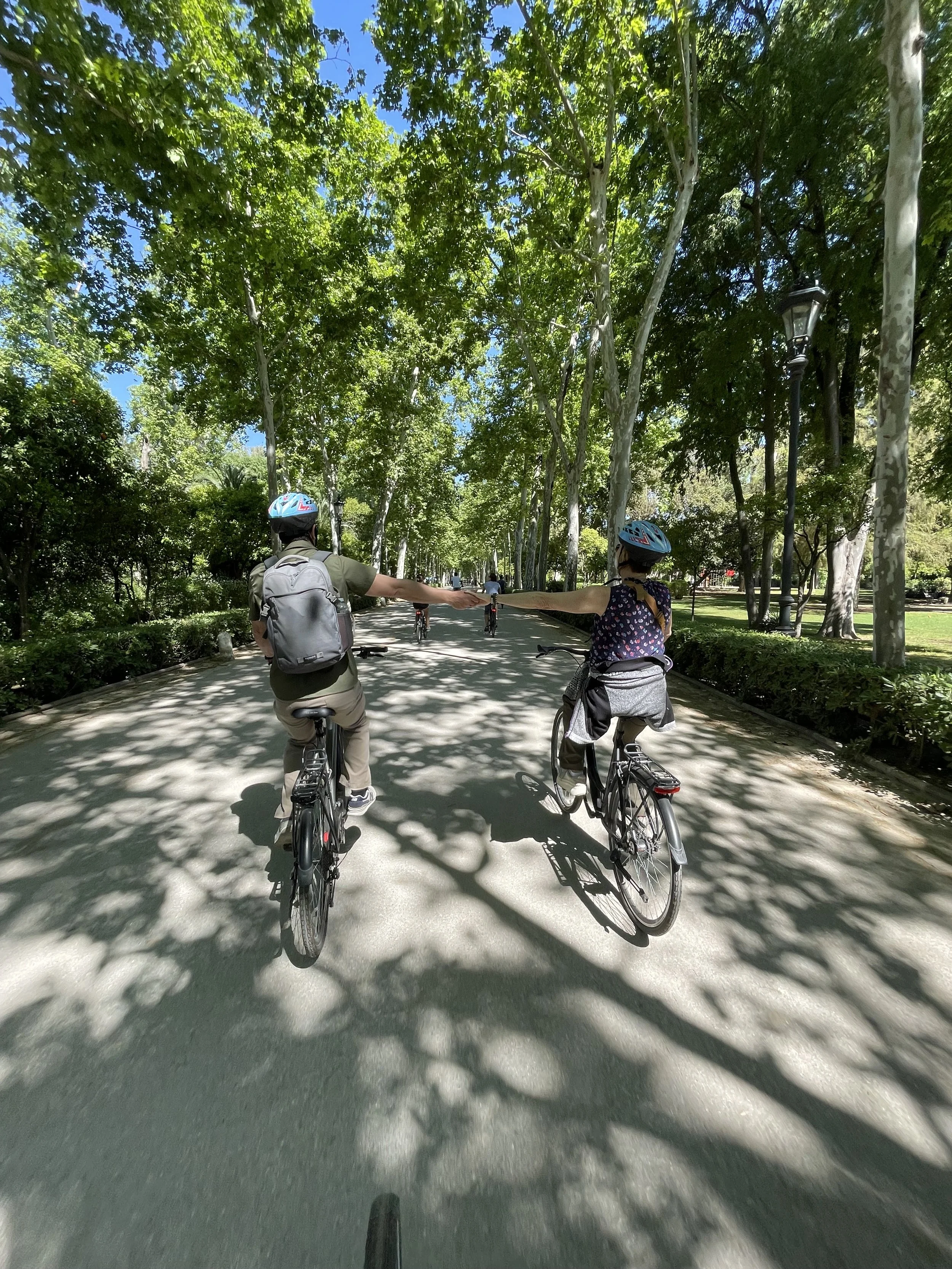
Seville is the perfect city to explore on two wheels — flat, bike-friendly, and bursting with vibrant neighborhoods. We stayed at Hotel Sevilla Center, a modern, comfortable hotel with easy access to both Seville's historic center and the airport. The rooftop pool was an unbeatable bonus after a long day on the bikes.
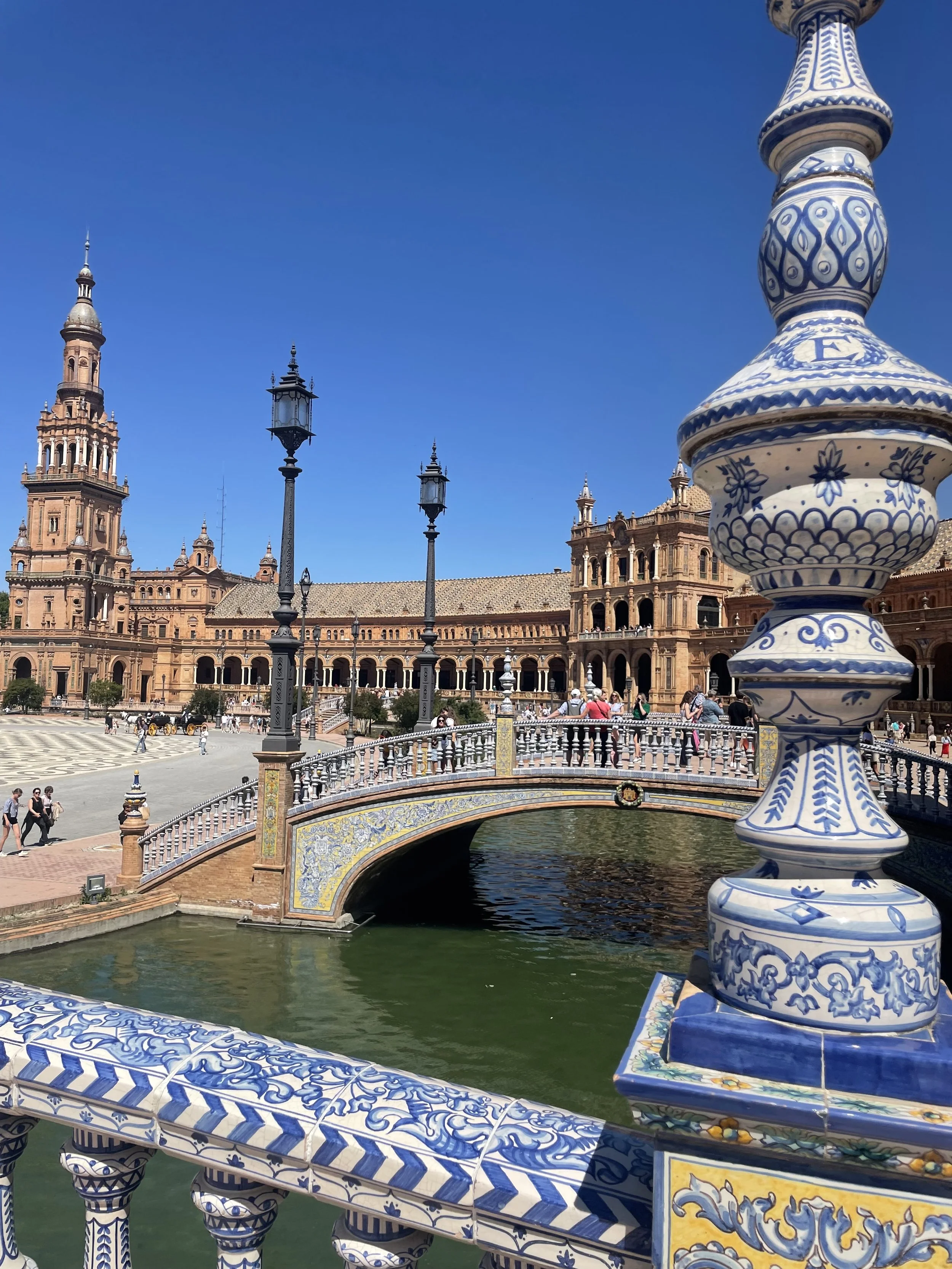
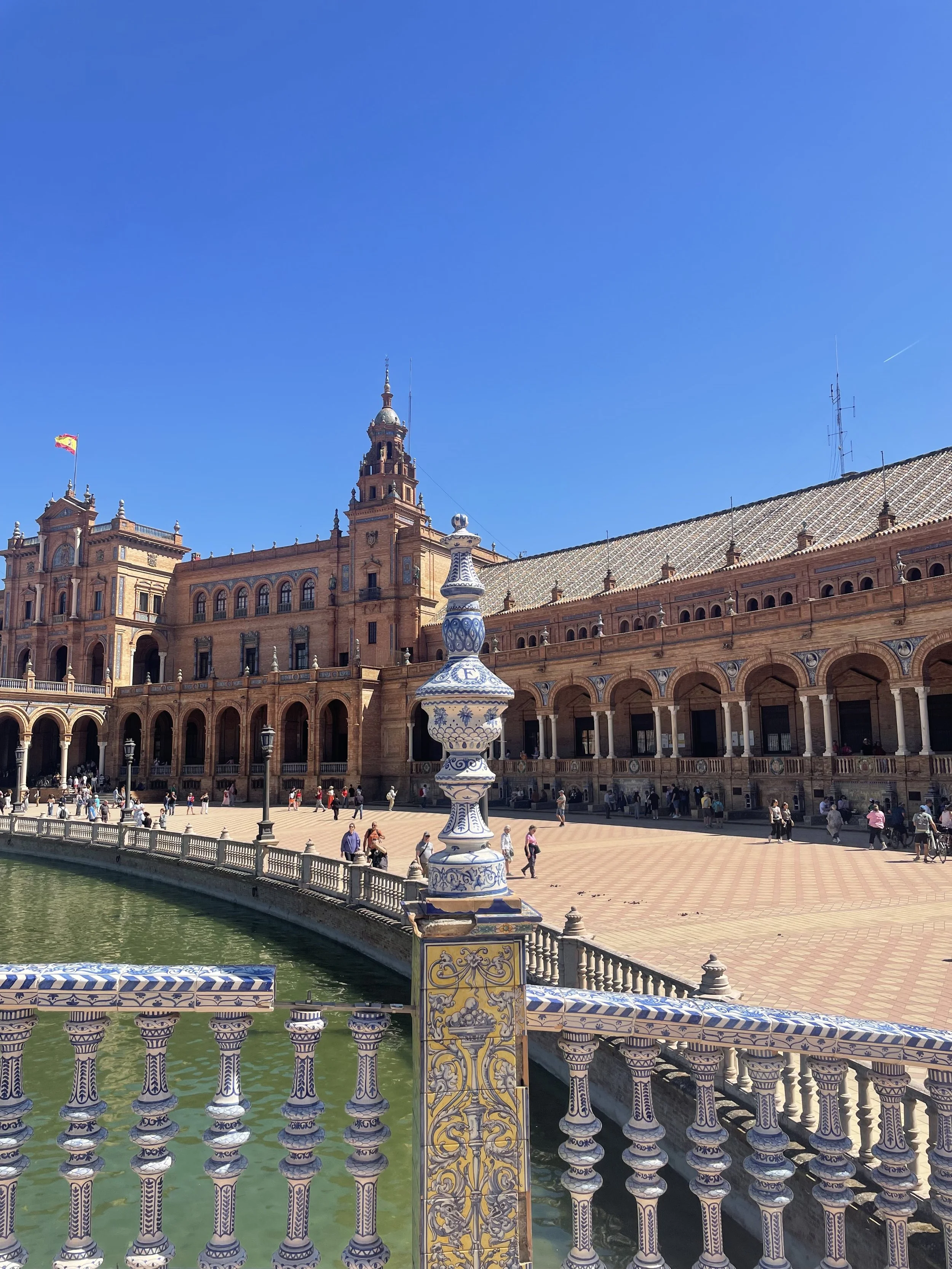
Our morning bike tour hit all the highlights. We started at Plaza de España, the spectacular semi-circular plaza in Parque de María Luisa, famous for its colorful azulejos — painted tiles depicting each of Spain's provinces. We rode the circular path along the canal and stopped on one of the bridges just to take it all in.
Right next door, Parque de María Luisa itself is a lush, shady escape with grand fountains, hidden gazebos, and wide tree-lined avenues.
We parked our bikes near Seville Cathedral, the largest Gothic cathedral in the world, and climbed La Giralda, its bell tower — entry runs €10 to €12. Instead of stairs, a gently sloping ramp leads you up, making the climb far easier than it looks and rewarding you with panoramic views over the city's rooftops and spires.
At the Royal Alcázar, you can either snap a photo of the elaborate Mudejar exterior or pre-book a ticket (€13 to €15) to explore inside — a true fairytale palace of intricate tilework, ornate arches, and lush gardens that have starred in films and shows like Game of Thrones. We wound slowly through Barrio de Santa Cruz afterward, the former Jewish Quarter's labyrinth of whitewashed lanes and flower-filled plazas, perfect for a coffee break or a quick tapa along the way.
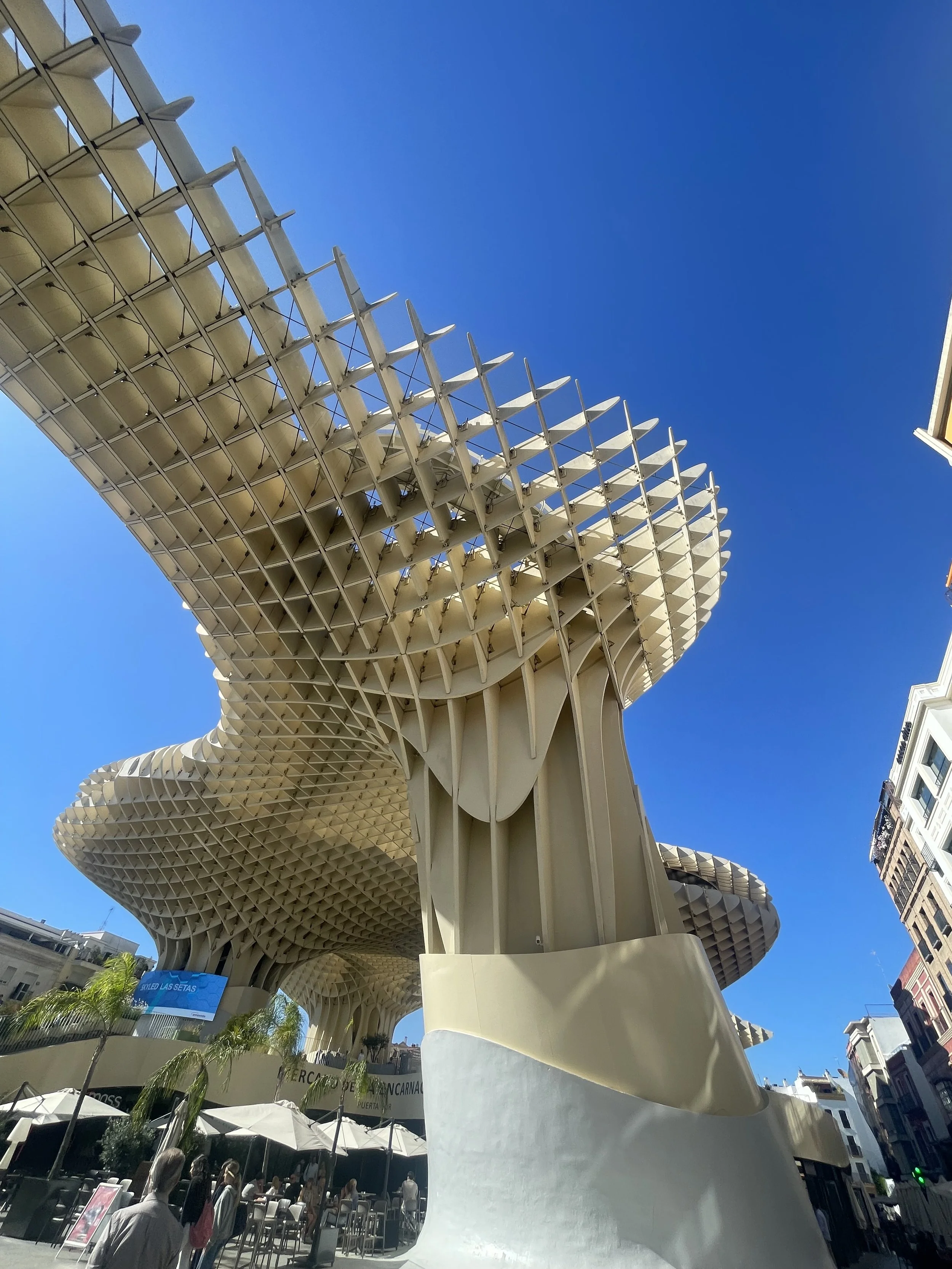
Crossing the Isabel II Bridge brought us into Triana, a vibrant neighborhood pulsing with flamenco rhythms, colorful ceramic workshops, and buzzing tapas bars — an absolute must-see slice of Seville's soul. Later, we swung by Metropol Parasol, also known as Las Setas, an ultra-modern wooden structure in Plaza de la Encarnación. We locked up the bikes and headed to the rooftop (€5 to €7) for sweeping views and a strikingly different perspective on Seville's skyline.
If you have extra time, cycle along the Guadalquivir River promenade, a peaceful stretch past boat docks and riverside cafés, with the iconic Torre del Oro — a 13th-century golden tower steeped in maritime history — anchoring the view.
💡 Pro Tip: We rented from SeeByBike for guided tours and from Elecmove for excellent e-bikes. The electric bikes made the long morning loop feel like a breeze, especially in the warmer months — worth the small upcharge if you're doing the full route.
That evening, we set out on a tapas and wine crawl, and I took meticulous notes on where we went and what we ordered. So go ahead and steal this route for your own night out in Seville. The city truly comes alive in the early evening, when locals fill the streets for tapas, wine, and good conversation.
Our route:
🧀 Entrecalles (Calle Ximénez de Enciso, 14) — semicured cheese and bacalao con salsa de tomate, salt cod with tomato sauce, paired with a crisp Verdejo. Relaxed and casual — a great first stop.
🍲 Peña La Decana (Calle Santa María La Blanca, 12) — espinacas con garbanzos (spinach with chickpeas), tender carrillada (braised pork cheek), and a glass of La Rioja. Classic Sevillano flavors at a local favorite.
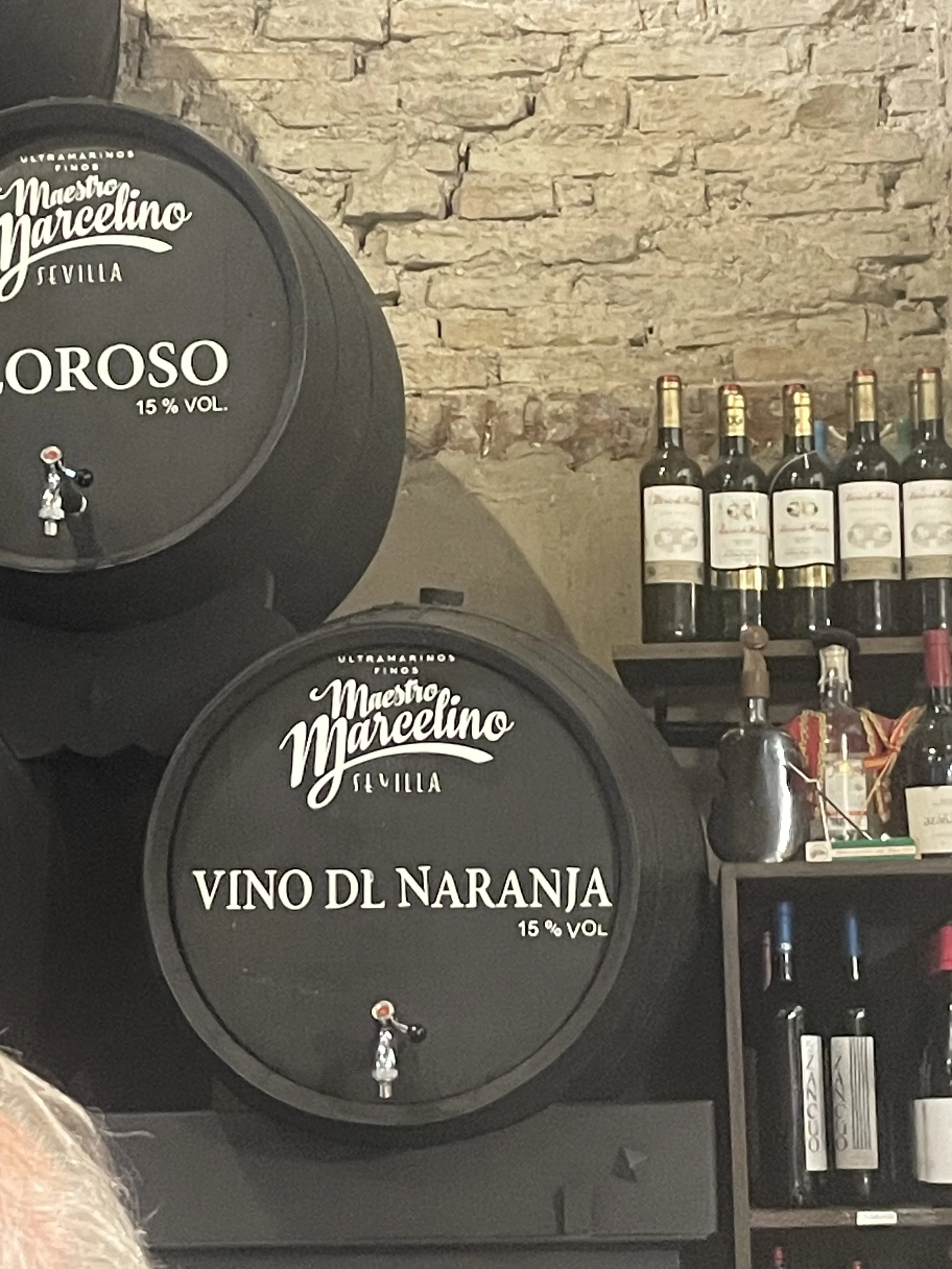
🍷 Maestro Marcelino (Calle Hernando Colón, 9) — morcilla de hígado (liver blood sausage), an Inés Rosales tart with guacamole and salmon, and a glass of sweet orange wine — inventive bites with a contemporary twist.
🍺 Los Soportales (Plaza del Salvador, 4) — chicharrón de Cádiz, montadito de pringá (slow-cooked pork sandwich), washed down with tinto de verano or an ice-cold Cruzcampo. Bustling atmosphere on a lively plaza, ideal for people-watching.
💡 Pro Tip: Aim for 6:00 to 9:30 PM — prime tapas hour, the sweet spot for a vibrant atmosphere, fresh dishes, and attentive service before the late-night crowd rolls in.
Day 6 — Seville
Before heading home, we took some time to explore two of Seville's best food markets and savor one final Andalusian feast.
Mercado de Triana, in the historic heart of Triana, is a feast for the senses—fresh seafood, cured hams, local cheeses, and the buzz of lively vendors make it impossible to leave hungry or unimpressed. Just a short stroll from the riverfront, Mercado Lonja del Barranco blends stunning 19th-century architecture with modern gourmet stalls; we couldn't resist pairing a few bites with a glass of local wine while gazing out over the Guadalquivir.
For our last meal, we chose La Brunilda, a beloved tapas spot where each dish bursts with bold, creative flavors—from tender, slow-cooked meats to fresh, seasonal vegetables. It was the perfect fuel for reminiscing about our whirlwind trip and, honestly, for putting off the goodbye a little longer. From there, it's a quick, easy ride to Seville Airport.
Andalucía's Golden Triangle is like the ultimate mixtape of history, jaw-dropping architecture, and mouthwatering food. From golden sunsets over the Alhambra to devouring morcilla on Seville's lively streets, this trip fills your heart, belly, and camera roll with memories worth a lifetime. Bookmark this fi-tinerary, pack your walking shoes and your appetite, and fall for Andalucía the way we did.
Travel Tips: Know Before You Go
🎟️ Book Alhambra and Alcázar tickets weeks in advance. These spots vanish faster than churros at a festival — there are no last-minute miracles here.
🚆 Ditch the rental car in the cities. Driving through historic city centers is more trouble than it's worth; trains and buses get you everywhere with far less stress.
🌅 Become an early riser. Beat the crowds, the scorching midday sun, and the mid-morning tourist stampede to make every landmark feel more personal — and the light is better for photos, too.
🍷 Tapas aren't just food; they're a way of life. Dive headfirst into the culture of sharing plates, swapping stories, and toasting with a glass of vino — that's Andalusian living at its finest.
🧘 Pace yourself. Six days across three cities is a lot of ground — build in a slow morning or two so the trip doesn't feel like a checklist.
